

Slammer 2021
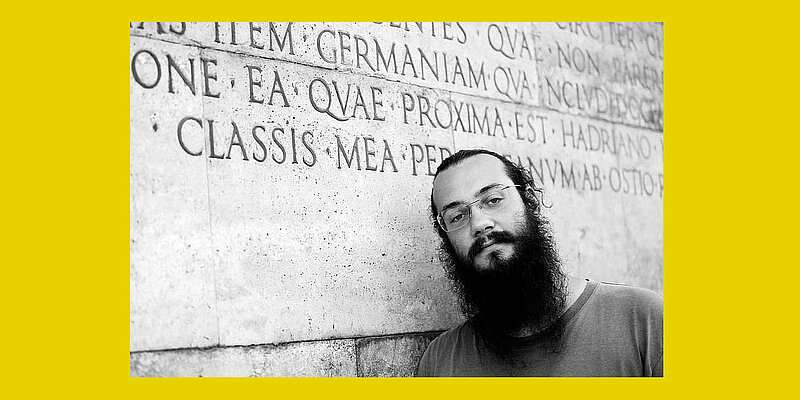
The evening will be kicked off by Diego D'Angelo, winner of the 2020 Science Slam.
What do you like about the Science Slam format?
Ilike the idea of being able to present my subject in a fun and entertaining way to a wide audience – especially as opportunities like this are far too rare. The friendly atmosphere at previous Science Slam events was also a big plus!
What has been your best experience so far during your time at university?
Oh, there are certainly more than one. But if I have to pick just one, the first thing that springs to mind is when I (back when I was still at the University of Freiburg) went out for dinner with other PhD students at the Chair of Theoretical Philosophy for the first time. There were ten of us at the table, chatting in German, even though we actually came from ten different countries. Nine of us had learnt German so that we could read philosophy in the original language, and we were able to talk about Kant. But the tenth person, the native speaker, had to explain the brewery’s menu to us!
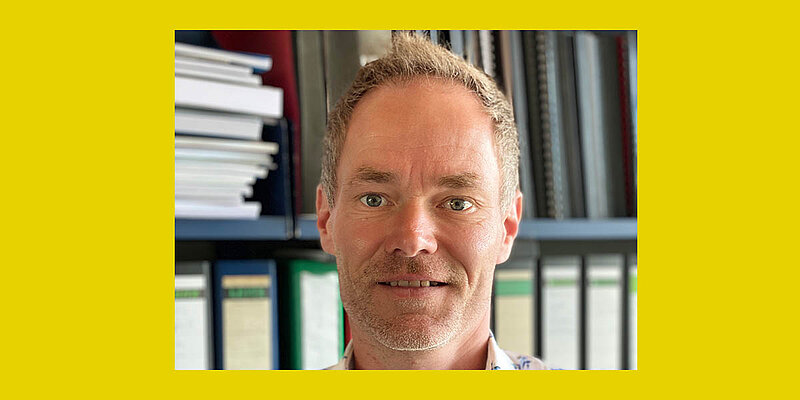
Professor Dr Olaf Hoos, Sports Science, JMU Würzburg
Slam title: “Birds fly, fish swim, humans run” – On the fascination of (fast) running
What do you like about the Science Slam format?
The Science Slam is a great format for making science entertaining and engaging.
What will you be talking about?
The talk explores the fascination of (fast) running as the most natural form of human locomotion and uses examples to explain how almost unbelievable running achievements come about
What has been your best experience so far during your time at university?
The enthusiasm of students when people with and without disabilities take part in sports together at our NoLimits! sports festivals.
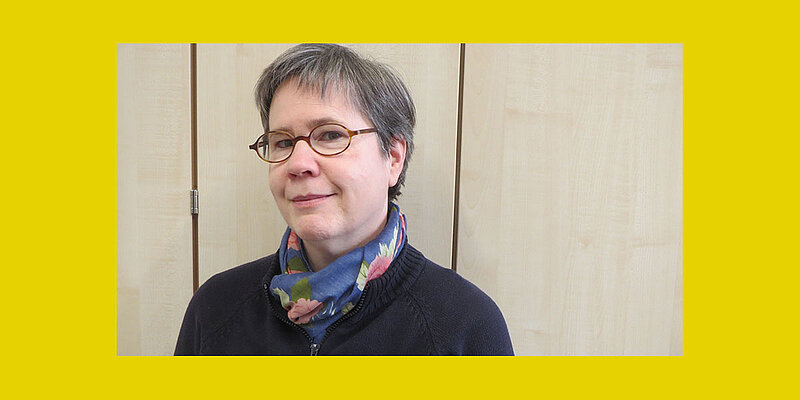
Professor Dr Heike Jüngst, Head of the Technical and Media Translation Programme, FHWS
Slam title: "Die belles infidèles – or: What you might call translation"
What do you like about the Science Slam format?
It’s a bit like “Die Sendung mit der Maus”. When you have to explain something to everyone, you realise whether it has substance and whether you can actually explain it.
What will you be talking about?
The Belles infidèles. It’s a topic from the history of translation studies. I can promise you it’s pretty offbeat.
What has been your best experience so far during your time at uni?
One exceptional experience was when one of my former lecturers spotted me out of the blue at a conference 15 years later (no, I wasn’t wearing a name tag :). That’s when I realised he’d really taken notice of us as students.
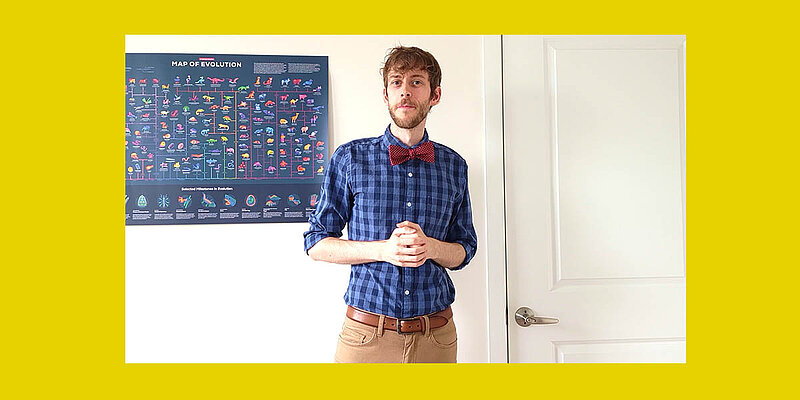
Dr Sebastian Markert, Biology, Johns Hopkins University
What do you like about the science slam format?
Science slams make research more accessible. That’s good for everyone. Unfortunately, there is often a gap between science and the general public. Publications are often aimed exclusively at specialists. Science Slams help to bridge this gap. Not only does this create more trust and acceptance in and of science, it is also good for the researchers themselves. You get the opportunity to break down your own research into its essential principles and concepts. What are the key messages of my research? What is this really about? And why is it interesting? Finding answers to these questions not only helps with publishing research, but also with conducting it.
What will you be talking about?
I’d like to answer what seems like a very simple question: what happens when we close our eyes? As we’ll see, this question is extremely difficult. To find the answer, one would have to be able to stop time. Unfortunately, that’s definitely impossible... isn’t it?
What has been your best experience so far during your time at university?
I got married whilst doing my PhD. That was the best experience. My colleagues from the Central Department of Microscopy at the Biozentrum played a major part in that. They were all there and formed a guard of honour out of rubber worms (I was researching worms at the time). That was unforgettable. I do miss my Biozentrum very much. It’s a place where we don’t just do research together, but laugh together too.
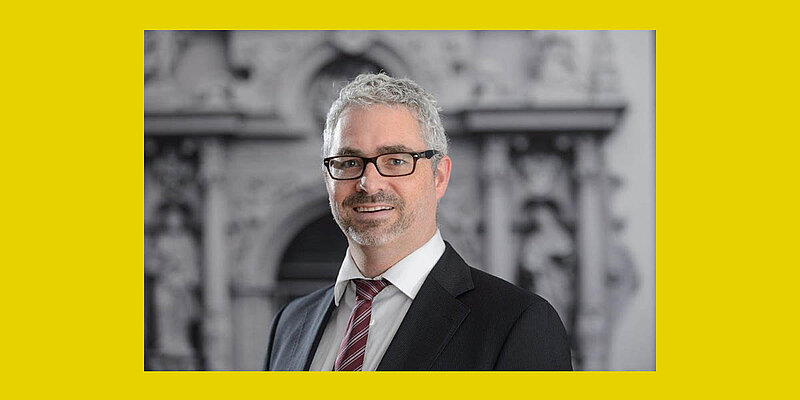
Professor Dr Jochen Griesbach, Department of Archaeology, JMU Würzburg
What do you like about the Science Slam format?
Science presented in a short and snappy way – that’s a daily challenge in a museum. But the Science Slam is surely the ultimate challenge!
What will you be talking about?
Naked bodies as conveyors of messages in the visual world of antiquity.
What has been your best experience so far during your time at university?
My inaugural lecture after completing my habilitation, as I was able to really let my hair down there in the company of my lovely relatives and colleagues!
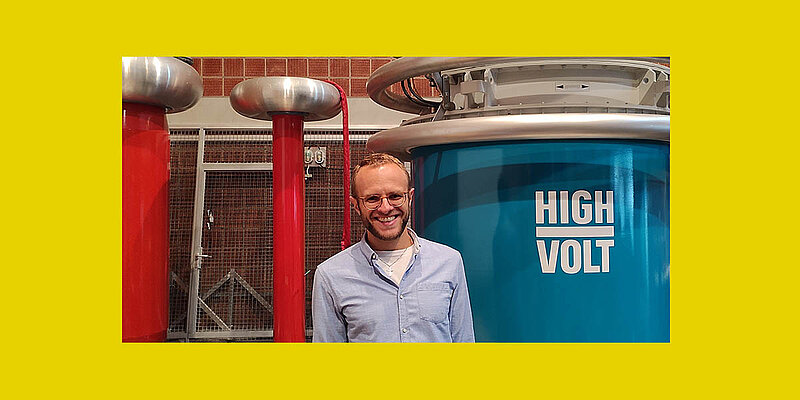
Professor Dr Markus H. Zink, Electrical Engineering, University of Applied Sciences Würzburg-Schweinfurt
What do you like about the Science Slam format?
Bringing your own field of research to life in an entertaining way for an audience with no prior knowledge of the subject. Perhaps this will encourage the audience to view the world through a different lens, as they will have gained more background information (e.g., in my case, from the field of electrical power engineering).
What will you be talking about?
I’ll be talking about the beauty of high-voltage discharges and what we’re doing to prevent them.
What has been your best experience so far during your time at university?
What I particularly appreciate about my profession is the freedom of teaching and research, as well as interacting with students and industry partners in research projects. It is particularly rewarding to be able to support students throughout their entire academic journey, from their foundation year and Bachelor’s degree right through to their Master’s degree or even a PhD.
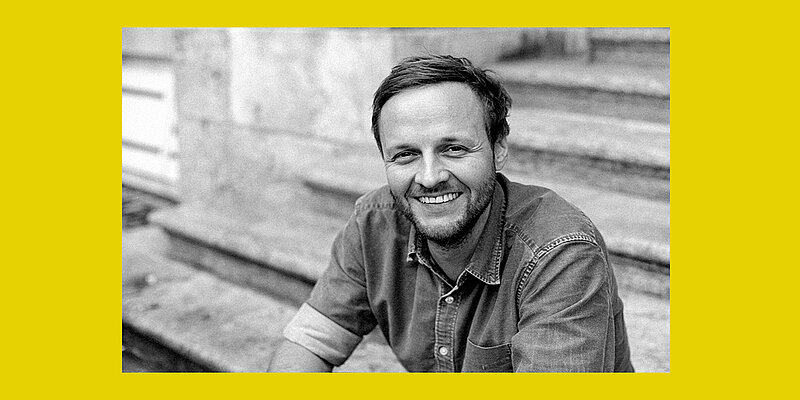
Stefan Röttig, MA in Philosophy, University of Würzburg
What do you like about the Science Slam format?
At a ScienceSlam, you can explain complicated topics in a simplified way and present them in a slightly funnier way than you normally would. The real "thrill" is the time limit: saying a lot in a short time using just a few words won’t be an easy task. But I’m happy to take on the challenge.
What will you be talking about?
More than 2,000 years ago, philosophers argued about whether one can be happy whilst in severe pain. We would probably say straight away: no, of course not. Even minor pain seems to us to be a nuisance and, in the long run, to impair our happiness in life. Funnily enough, however, this view was actually in the minority. The majority of ancient philosophers argued that we can be happy even on the rack. I will explain exactly how they envisaged this.
What has been the best experience of your time at university so far?
The best experienceof mytime atuniversity was Diego D’Angelo winning the Science Slam last year.