
Slammer: innen auf der MS-Wissenschaft 2026
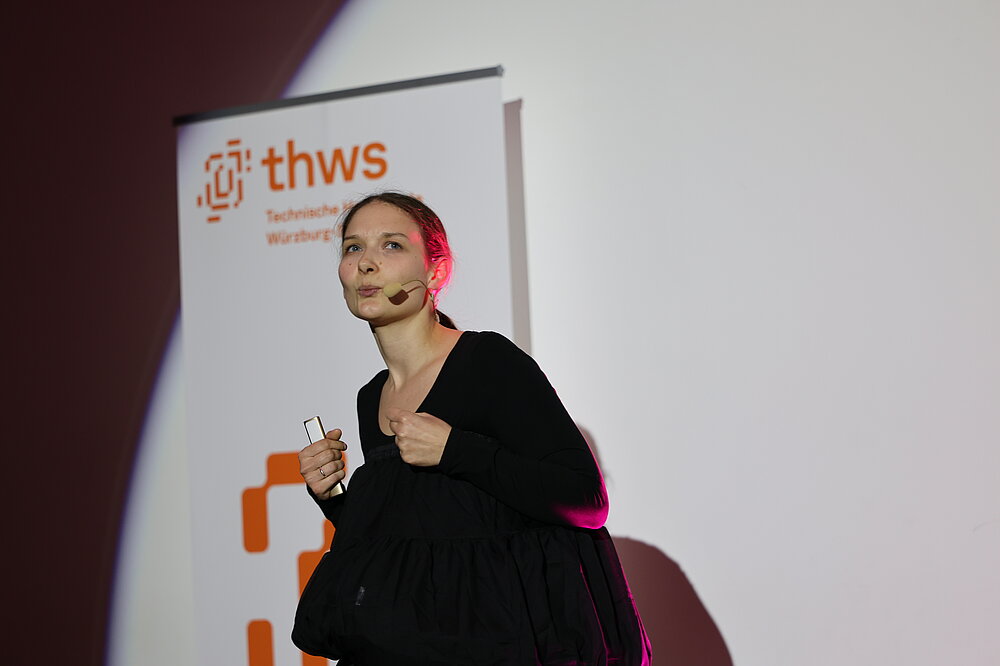
Dr Isabell Ramming
Microbiologist, postdoctoral researcher at the University of Würzburg
What has motivated you to take part in this year’s slam at the MS-Wissenschaft?
Research can also take place outside laboratories, come to life and spark conversation. That’s why I’m absolutely delighted to be part of this magnificent evening with my research.
What will you be talking about?
My aim is to prevent bacterial infections in hospitals. To do that, we need to understand the bacteria. However, ‘my’ bacterium – the enterococcus – will be telling the story of what that looks like in everyday research life at the slam...
What particularly fascinates you about this topic?
I love research that can help patients. Through my work, I combine precisely that with my enthusiasm for these wonderful bacteria.
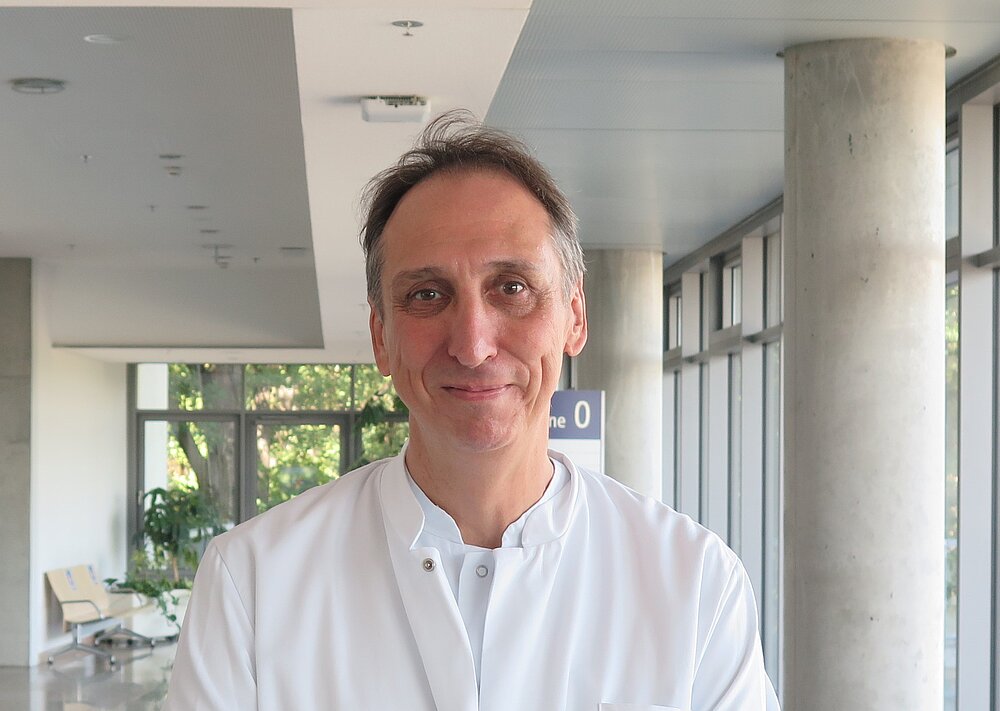
Prof. Dr Alexander Meining
Specialist in Internal Medicine/Gastroenterology, UKW Würzburg
What has motivated you to take part in this year’s slam on the MS-Wissenschaft?
Conveying knowledge in an entertaining way to an interested non-specialist audience is a real challenge. I want to take that on. … Nonsense: I’m a show-off!
What will you be talking about?
As a crime writer and gastroenterologist, I’ll be trying to bring both worlds together. The crime scene will be a bit unusual – I can promise you that much already.
What particularly excites you about your topic?
Combining modern endoscopy with the age-old ‘craft’ of storytelling. Weaving medical insights into fictional stories. That’s what excites me.
Jessica Ruck
Psychologist and psychological psychotherapist, Institute of General Medicine at Würzburg University Hospital
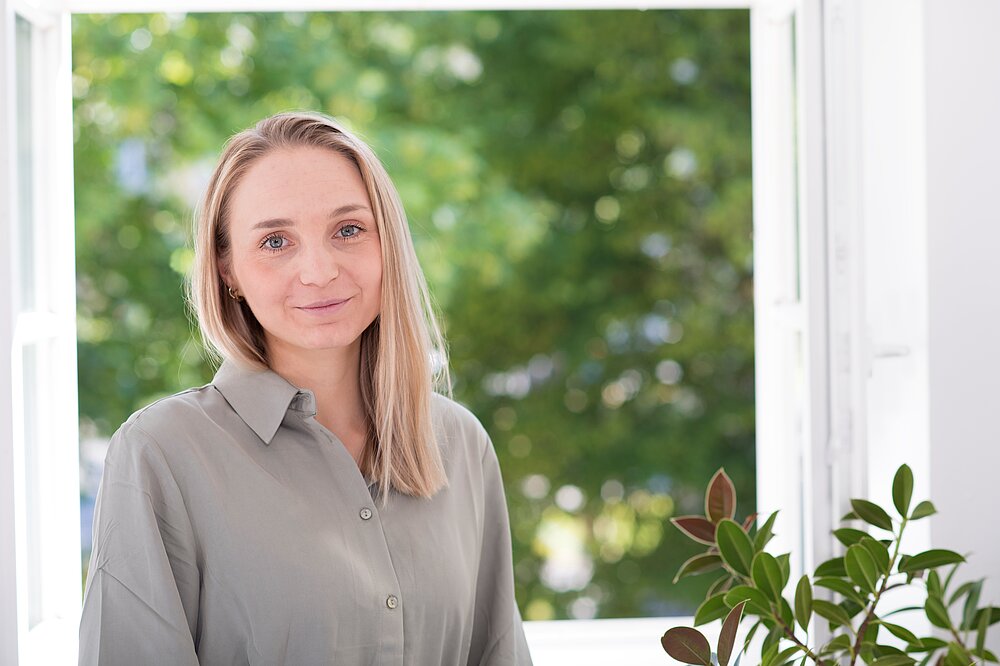
Slam title: Lost in prevention – Side effects of health communication, illustrated by the Federal Ministry of Health’s ‘Legal, but…’ prevention campaign
What motivated you to take part in this year’s Science Slam at MS-Wissenschaft?
The Science Slam format brings together many of my passions: science, humour and PowerPoint! I’d love to share the knowledge and enjoyment I get from it with other people.
What will you be talking about?
How can I help people adopt ‘healthier’ behaviours? Well-meaning advice, fear-mongering messages or humorous posters can often backfire. The way health information is communicated has a decisive influence on health behaviour, such as the consumption of psychoactive substances like alcohol, nicotine and cannabis. Using the cannabis prevention poster campaign by the former Federal Ministry of Health as an example, I’ll explain what needs to be taken into account in health communication and all the things that can go wrong.
What particularly fascinates you about your research topic?
At our Institute of General Practice, our work focuses, amongst other things, on prevention and on teaching communication skills to encourage motivation for lifestyle changes (e.g. regarding smoking and alcohol) in general practice. I am inspired by the impact that the conscious use of language and the attitude with which I approach patients can have. Raising awareness of patients’ perspectives and the realities of their lives is particularly important to me in this context.
Prof. Dr Maik Luu
Professor of Translational Medicine
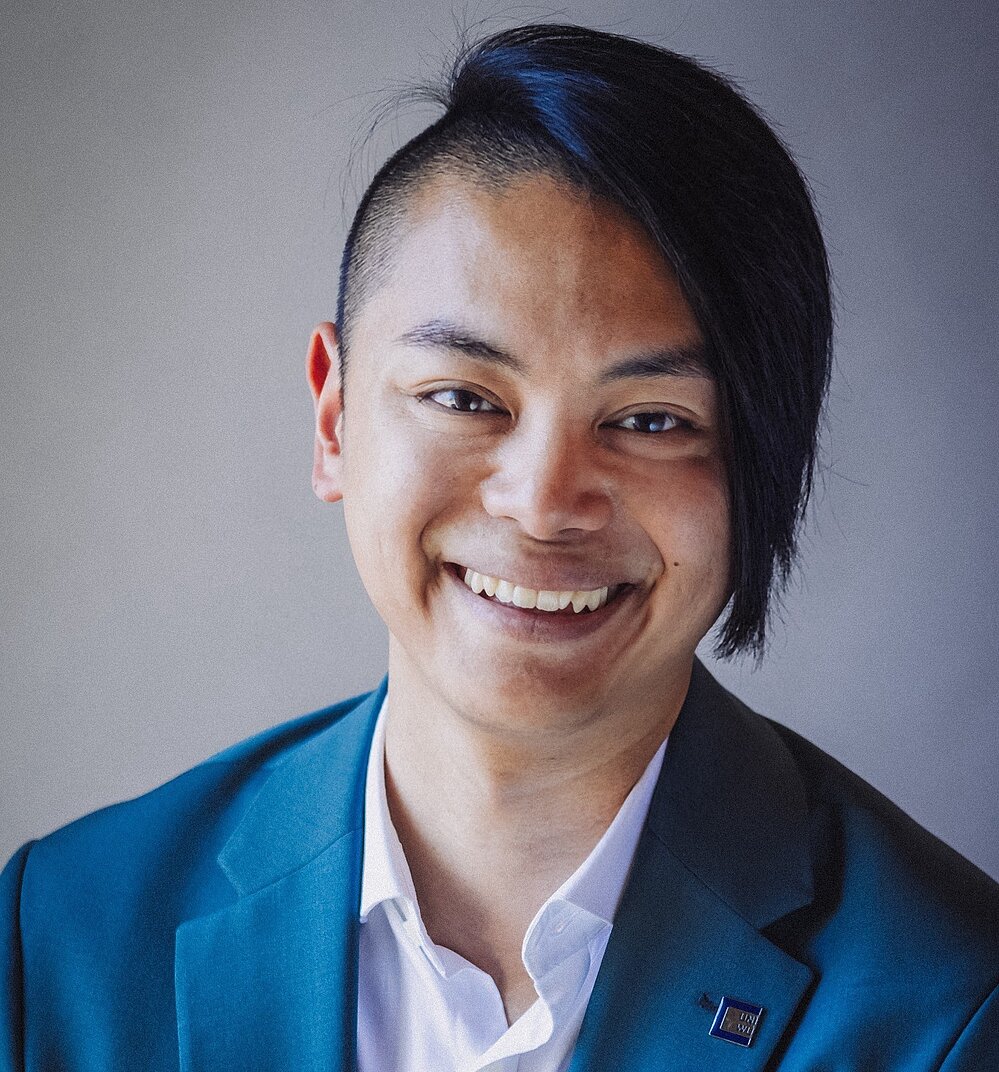
Slam title: You Never Walk Alone – Between The A-Team and Gut Feeling
For decades, bacteria had a bad reputation as deadly pathogens. Yet countless of these microorganisms form a diverse community within and on our bodies, one that has adapted to us – our microbiome. The microbiome is with us every day, but what role does it play in our health and our immune system?
What motivated you to take part in this year’s slam at the MS Science event?
In times of disinformation, conspiracy theories and wavering trust in science, it is important that we venture out of the laboratory and explain what we actually do in our day-to-day work. Science can certainly be very complicated, but science slams are brilliant ways to bridge that very gap and inspire enthusiasm for what really matters: being curious about the phenomena of our lives.
What will you be talking about?
We’ll be exploring the role the microbiome plays in our health and in the development of our immune cells.
What particularly fascinates you about this topic?
For decades, we regarded bacteria as harmful pathogens. Now we are turning our attention to microorganisms that are essential for our health. There is so much we do not yet understand, and yet we can already say that our basic research has the potential to shape the therapies of tomorrow. The questions of ‘who, how and why?’ will keep us up at night for quite some time to come.
Dr Can Ergen-Behr
Assistant Professor of Single-Cell Systems Biology at the University of Würzburg
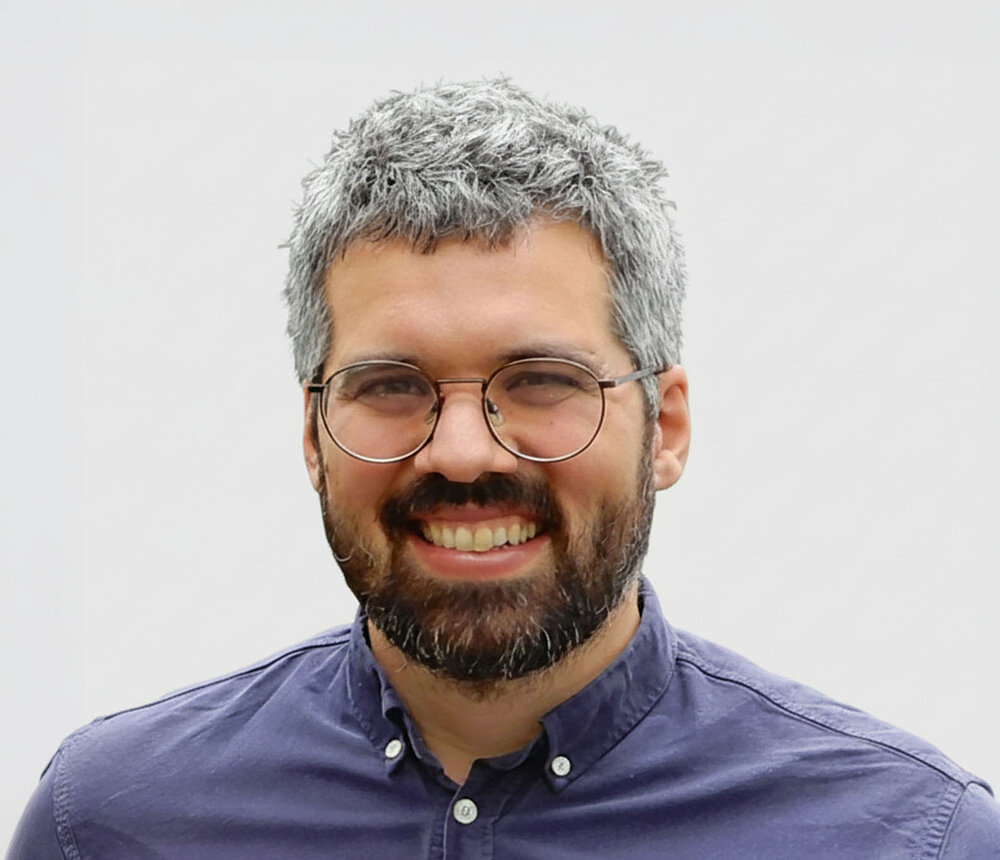
Slam title: My digital twin has a tummy ache too
What if a digital version of me could try out medicines before I have to take them myself? And would my digital twin also have to undergo a colonoscopy for that?
As a doctor and AI researcher, I’m looking into how we can better predict the treatment of chronic inflammatory bowel disease.
In my Science Slam, I’ll take the audience on a journey to create a virtual patient from immune cells, tissue and medical records.
I’ll show what we can already learn from artificial intelligence, why more data doesn’t automatically lead to better answers, and what’s still missing when it comes to the digital twin.
(Photo: Robert Emmerich)