

New ecology master with double degree
02/03/2026The Universities of Würzburg and Bergen have launched a new degree program. Students of the new Master of Global Change Ecology can look forward to two degrees and several semesters abroad.
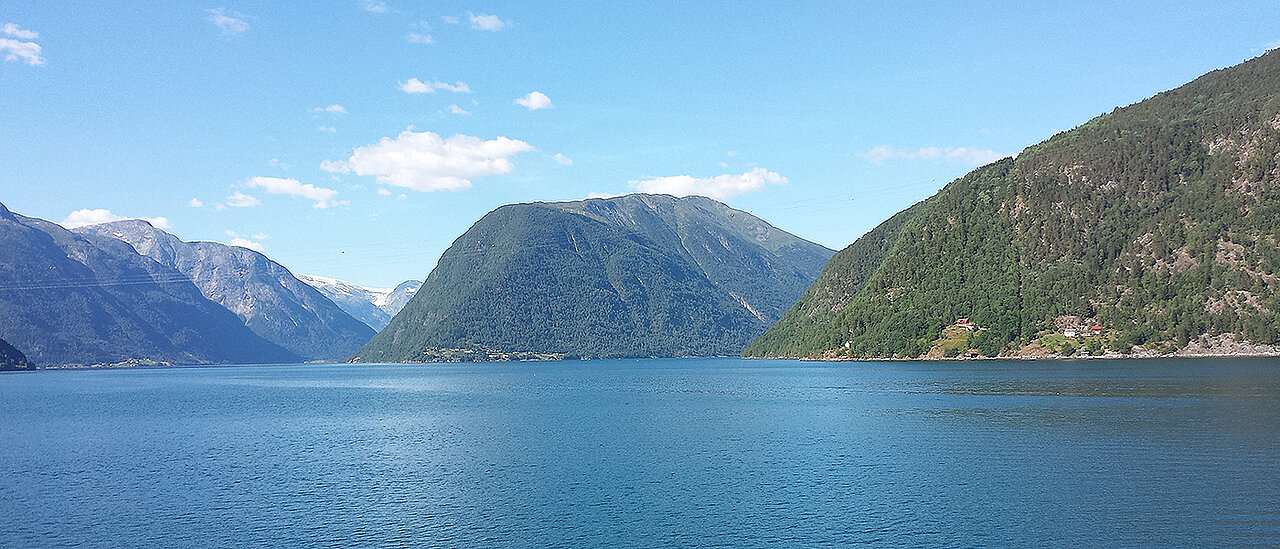
As is commonly known, two is better than one. This also applies to a master's program that offers two degrees from two European cities. Julius-Maximilian-Universität Würzburg (JMU) and the University of Bergen (Norway) have introduced the MERGE (Master of Global Change Ecology) degree program for the 2025/2026 winter semester. The program focuses on the effects of global change on biodiversity and ecosystem functions, with particular emphasis on climate change, habitat loss, invasive species, and environmental pollution, as well as concepts for sustainable land use and nature conservation.
Students can earn both a master’s degree in Life Sciences from JMU and a master’s degree in biology from the University of Bergen in four semesters. To compete for one of the ten study places per semester, applicants need a bachelor's thesis in a life sciences subject with a grade of 1.7 or better. The master's program comprises a total of 120 credit points. Master's theses are supervised by one lecturer from each university. Interested students can apply for the 2026/2027 winter semester until July 15, 2026.
What makes this program special is that JMU students can spend one to three semesters in Bergen. Conversely, the program allows Norwegian students to spend the same amount of time in Würzburg.
“The study content of the two universities complements each other perfectly, with Bergen focusing on plant ecology and Würzburg on tropical ecology,” says Jochen Krauß, professor at the JMU Chair of Animal Ecology and Tropical Biology and scientific coordinator of MERGE. Both countries also offer different natural habitats to explore, which are ideal for students who want to immerse themselves in field ecology.
With the master's program to Bergen and a Norwegian island
Julius Schneider, who is particularly interested in ornithology, or the study of birds, falls into this category. The JMU student completed his stay in Bergen from July to mid-December 2025 as part of MERGE. Since the winter semester starts earlier there, he completed his stay abroad before the official start of the semester in Würzburg. His highlight was an excursion in paleoecology, which deals with fossil habitats and biotic communities.
“We spent three nights at a research station on Lygra, a Norwegian island. There we took soil samples and examined them,” says the master's student. Such samples provide a good indication of the current and former soil conditions. “The deeper you dig, the further back you can see into the past,” says Julius.
From Norway to Würzburg and Kenya
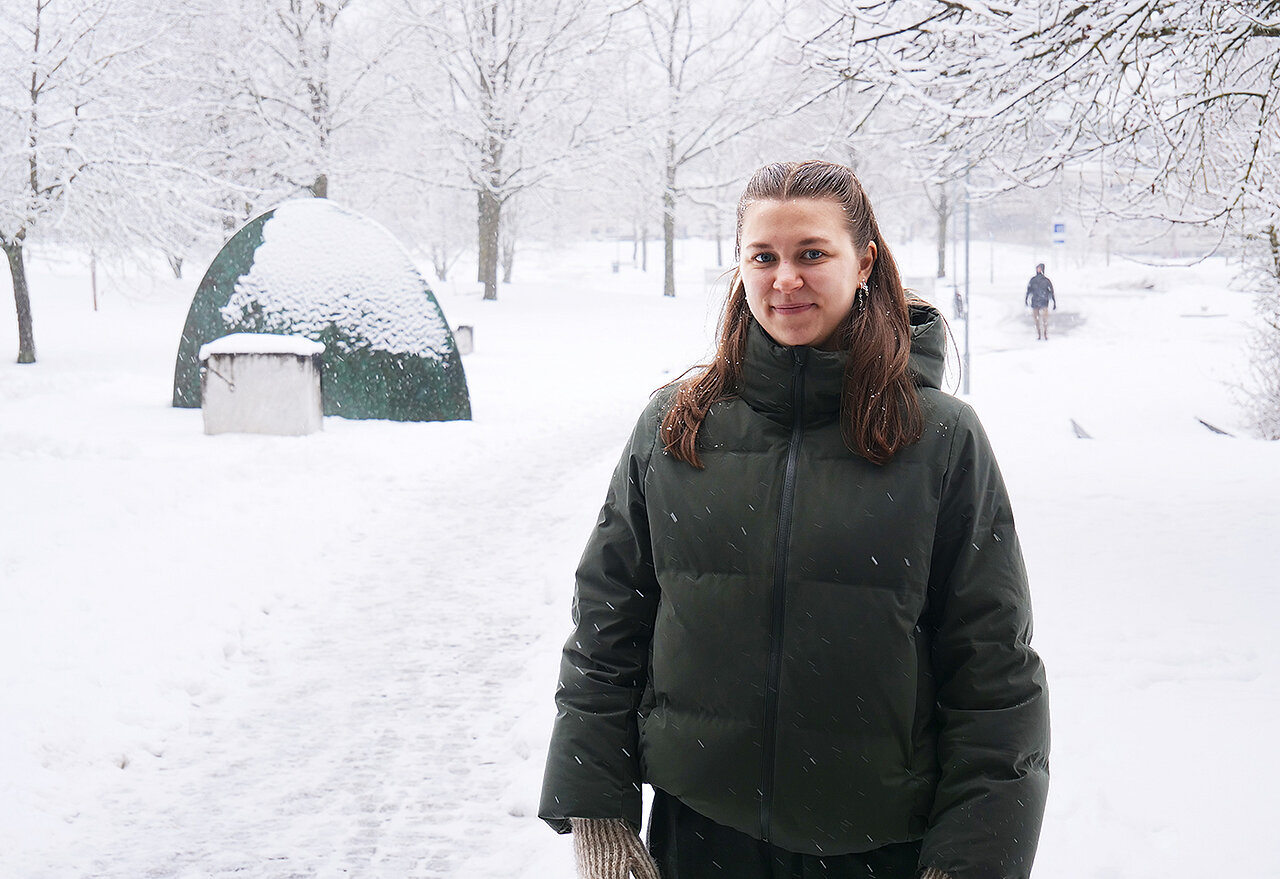
Two students from Bergen are currently in Würzburg. One of them is Anja Ryabinina. She is spending a total of three semesters at JMU. “My main interests are tropical ecology and conservation biology. The University of Würzburg offers the ideal study environment for this,” explains the Norwegian.
In September, Anja will go on a two-week field trip to Kenya. There, she wants to study and observe different habitats: “From savannas to rainforests to coastal areas, everything is included,” says the student. MERGE students are also in contact regularly. Julius, for example, helped Anja settle in Würzburg and get to know the university IT system.
Coordination of the program
Ingolf Steffan-Dewenter, head of the Department of Animal Ecology and Tropical Biology, is responsible for the overall coordination of MERGE at JMU. At the University of Bergen, Peter Manning, Professor of Global Change Ecology, is responsible.
Contact
Prof. Dr. Jochen Krauß, Chair of Zoology III (Animal Ecology and Tropical Biology), T. +49 931 31-82382, j.krauss@uni-wuerzburg.de
Additional images