
Maths teachers are smart and wear checked shirts
12/09/2025The second Bronnbach Discourse organised by the Wittenstein Foundation focused on new findings on STEM motivation and career orientation among young people. It was based on research conducted by the MIND Centre at the University of Würzburg.
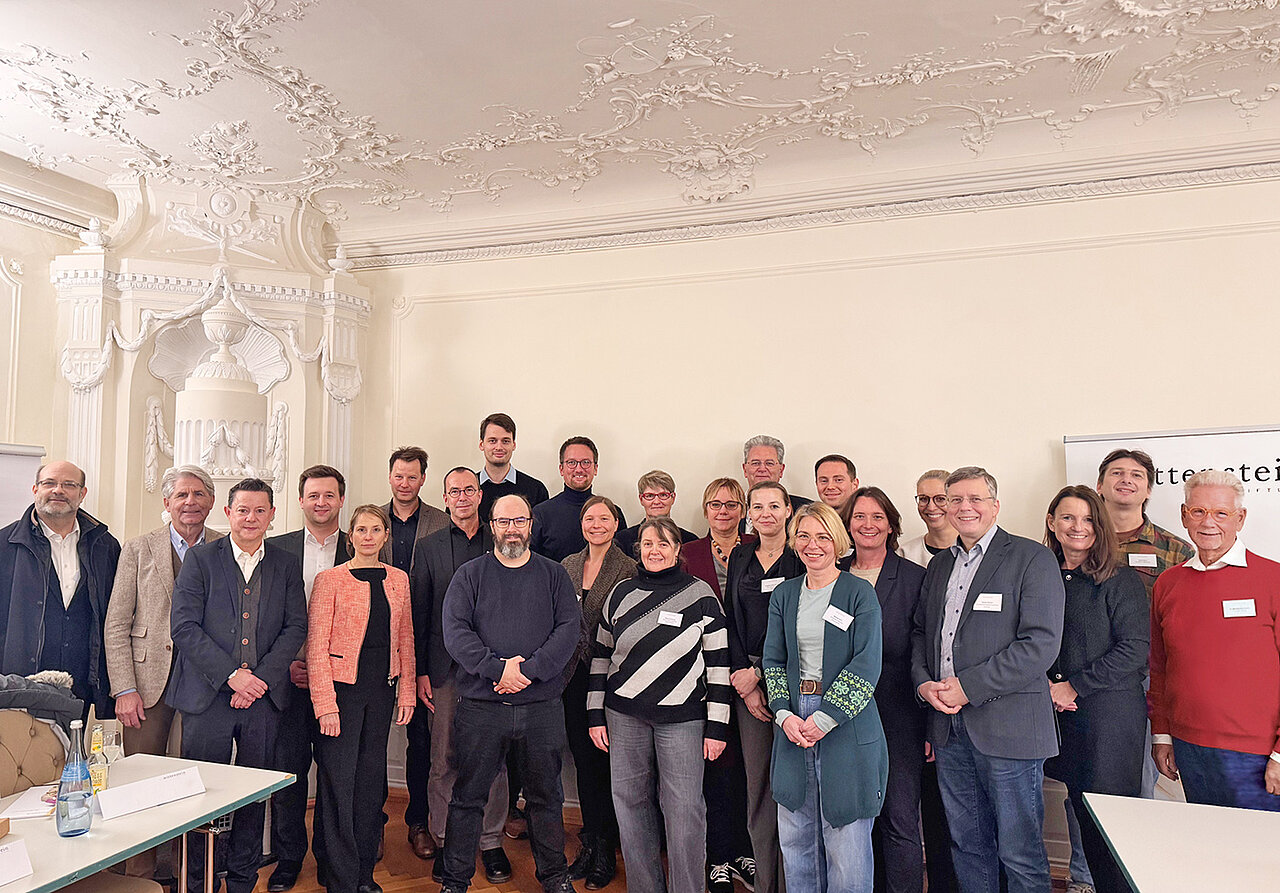
Bronnbach Monastery once again provided the setting for the Wittenstein Foundation's second discourse at the end of November. Representatives from science, business and education discussed new findings on the STEM motivation of young people in the Main-Tauber region. The event was based on initial interim results from the DynaMINT research project conducted by the MIND Centre at the University of Würzburg, which is being funded by the Wittenstein Foundation to the tune of one million euros over a period of five years and will run until 2028.
The focus was on the questions of how to get children and young people interested in maths, IT, science and technology, how this affects their career decisions in the long term and which factors are most likely to turn them away.
Key findings: Awareness gaps, fears and lack of relevance
The qualitative studies in the DynaMINT project clearly show that many pupils are barely familiar with the term "STEM". For example, STEM lessons at school are perceived in a very differentiated way according to subject, although at least individual subject areas are described as interesting. Practical work, experiments and teachers who explain things well and leave room for questions are emphasised positively. At the same time, pupils report blackouts in maths tests, a high need for help in maths, physics and computer science as well as difficulties in linking theoretical content with real-life situations.
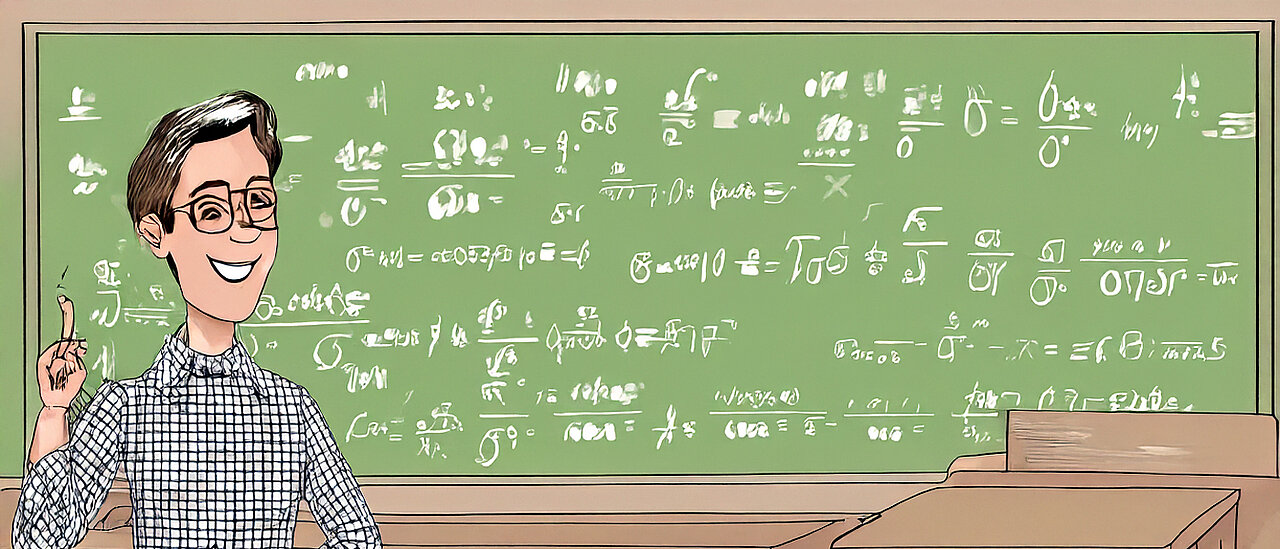
Outside of school, young people's perceptions of people who work in STEM tend to be stereotypical: maths teachers are male, smart and wear checked shirts, people in the field of computer science are described as loners and technicians wear work trousers and builders' helmets. Pupils do not associate existing extracurricular activities - such as handicrafts, tinkering or museum visits - with STEM.
A study by the Sinus Institute comes to a similar conclusion based on its own surveys. It also mentions the increasing fear of being exposed in class, which manifests itself particularly in STEM subjects and in some cases already begins in primary school. The study identifies the teacher and the social class structure, the actual learning time available in class, opportunities for deeper "immersion" in topics through excursions or practical experiences as well as the relevance, relevance to everyday life and tangible practice of STEM activities as key STEM motivation drivers for young people.
The current IQB education trend also confirms a nationwide decline in maths and science skills and shows that social disparities are still very pronounced. Gender differences continue to exist - particularly with regard to the assessment of one's own abilities in the respective subjects.
Family, internet and contact with professionals helps with orientation
The quantitative findings of the DynaMINT project show that family (43 per cent), the internet (31 per cent) and contact with professionals (29 per cent) were the most important sources of inspiration for young people in the career choice process. The career aspirations mentioned in the surveys vary in terms of specifics and range from "something to do with wood" to "work in a greenhouse" and "IT specialist for system integration". It can be seen that boys have a significantly higher interest in professions in the construction and production sector (37 per cent of career aspirations can be assigned to this sector), while girls show a higher interest in professions in the health sector (27 per cent) or social sector (22 per cent).
A study conducted by the Bertelsmann Foundation on behalf of the Institute of German Business also names internships, personal contacts and vivid digital company presentations as valuable formats for career guidance from the perspective of young people.
On average, the content learnt at school is perceived to be moderately relevant to the world of work, while science subjects are even considered to be rather irrelevant. Only in individual occupational fields is the content of science subjects considered valuable, such as biology content for professions in the healthcare sector.
Plenary discussion: Involving parents more closely
The representatives from the schools emphasised that the new results confirm many known challenges, but at the same time provide important impetus for a change in perspective. The need to involve parents at an early stage and provide them with long-term support was emphasised as a key issue, as they have a huge influence on educational and career decisions.
Dr Manfred Wittenstein, Chairman of the Board of Trustees of the Wittenstein Foundation, called on the teachers present from the Main-Tauber, Würzburg and Schweinfurt regions to contact the Foundation with ideas for practical projects and, in particular, for biointelligent topics. "Pupils want to be in the thick of it and experience STEM - not just talk about it," he appealed.
The Bronnbach Discourse is expected to continue in 2026. Further dates will focus on analysing the DynaMINT data in greater depth and deriving specific measures for the Main-Tauber district.
Bronnbach Monastery
Bronnbach Abbey, founded in 1151 as a Cistercian abbey and owned by the Main-Tauber district since 1986, serves as an extraordinary place of reflection for the series of events. As a culturally revitalised centre, it offers an ideal setting for the interdisciplinary exchange of science and practice.
Additional images