
Study on salt sensitivity
02/03/2026Can a herbal food supplement influence individual salt sensitivity? A study by the University of Würzburg is investigating this question. Healthy men and women between the ages of 55 and 65 are being investigated.

High blood pressure is a widespread condition which, if left untreated, can increase the risk of secondary diseases such as heart attacks, strokes and kidney damage in the long term. Several factors play a role in its development, including a high consumption of salt. However, not everyone reacts to salt in the same way: around one in three people are considered to be salt-sensitive.
As only part of the population is sensitive to salt, it is important for many people to know whether they themselves are affected. Individual salt sensitivity can be determined with a simple test that only requires a drop of blood from the fingertip. In this study, Professor Petra Högger and her team at the Institute of Pharmacy and Food Chemistry are investigating whether taking a dietary supplement can have an influence on salt sensitivity.
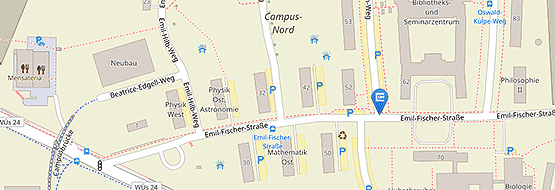
Participation in the study lasts a total of one week and involves two short appointments at the Institute of Pharmacy and Food Chemistry (approx. 20 minutes each).
What interested parties need to know
We are looking for women and men aged between 55 and 65 who do not regularly take any cardiovascular drugs or herbal supplements and have not taken any antibiotics in the last four weeks. A lump sum of 50 euros is paid for participation.
Interested or have questions?
If you would like to support current research and find out more about your salt sensitivity, please contact Maria Loka Hanna by e-mail. E-mail: maria.loka-hanna@uni-wuerzburg.de