
The geography of wine
04/28/2026Wine is often a source of identity for the population of wine-growing regions. However, geographical changes pose new challenges for viticulture. An event on Monday, 4 May 2026, is dedicated to this topic.
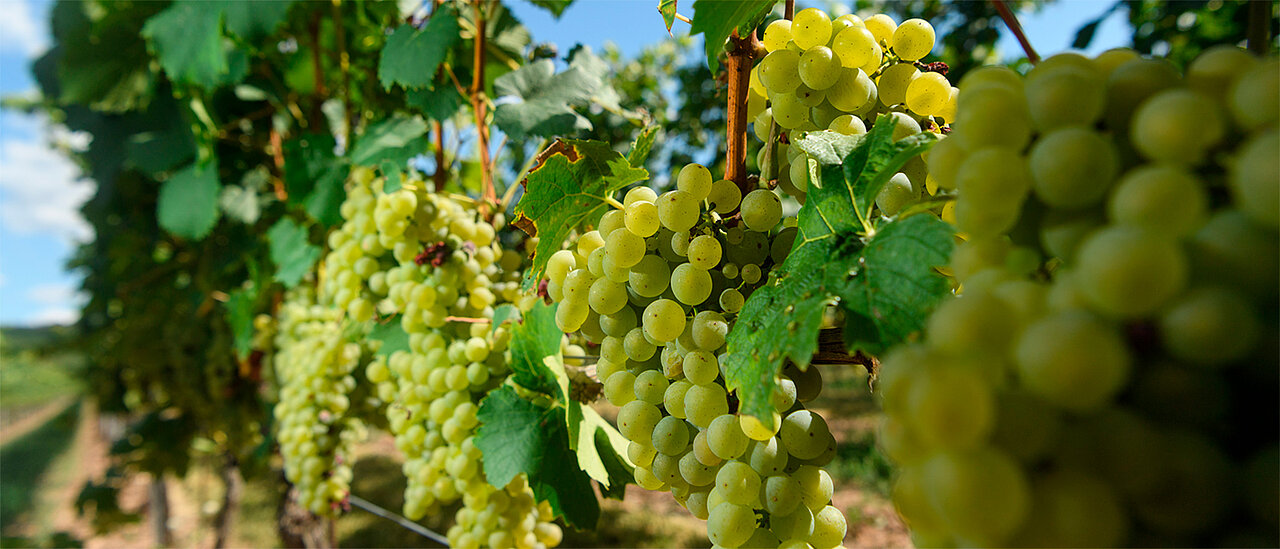
People from Würzburger know it: wine characterises regions and local identities like hardly any other crop. As a luxury food that is thousands of years old, wine is not only of culinary relevance, but also characterises geographies: the respective local terroir, relief and climate are responsible for the fact that wines are so diverse and unmistakable. Wine atlases and maps visualise the distribution of grape varieties or wine-growing regions and provide orientation through the complex geographies of wine.
However, current geographical changes pose new challenges for viticulture, because geography influences wine. For example, climate change means that certain grape varieties can no longer be cultivated or can be cultivated in new ways and cultivation and production techniques must be adapted to the change. New distribution channels and the geographical reach of digital communication are opening up global perspectives for local wine. All of this creates new opportunities for wine, but also leads to conflicts in many places.
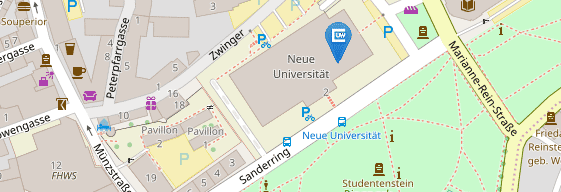
The "Geography of Wine" event is dedicated to this topic. It will take place on Monday, 4 May 2026, from 7 pm to 10 pm in the foyer of the Neubaukirche (Old University). The Institute of Geography and Geology at Julius-Maximilians-Universität Würzburg (JMU) is organising the evening together with the Geographical Society of Würzburg. All interested parties are invited; the entrance is barrier-free. The event will be held in German.
The programme
First, Dr. Markus Frankl from the Juliusspital Würzburg will give an overview of historical developments in viticulture in Franconia. Professor Heiko Paeth (JMU Working group Climatology) will then present past and future climatic changes and their significance for viticulture in the region.
Dr. Rebekka Kanesu (JMU Economic Geography working group) will discuss the changes in viticulture using the example of wine queens and the changes in gender relations and classic marketing strategies. The short inputs will be followed by a discussion on the podium and with the audience. The event will be moderated by Professor Marit Rosol (JMU Economic Geography working group) and Professor Matthias Naumann (JMU Human Geography working group).