
Family study examines the health of parents and family carers
09/15/2026How do caregiving responsibilities and bringing up children affect health in the long term? A Würzburg-Bischofswiesen study follows those affected over a two-year period.
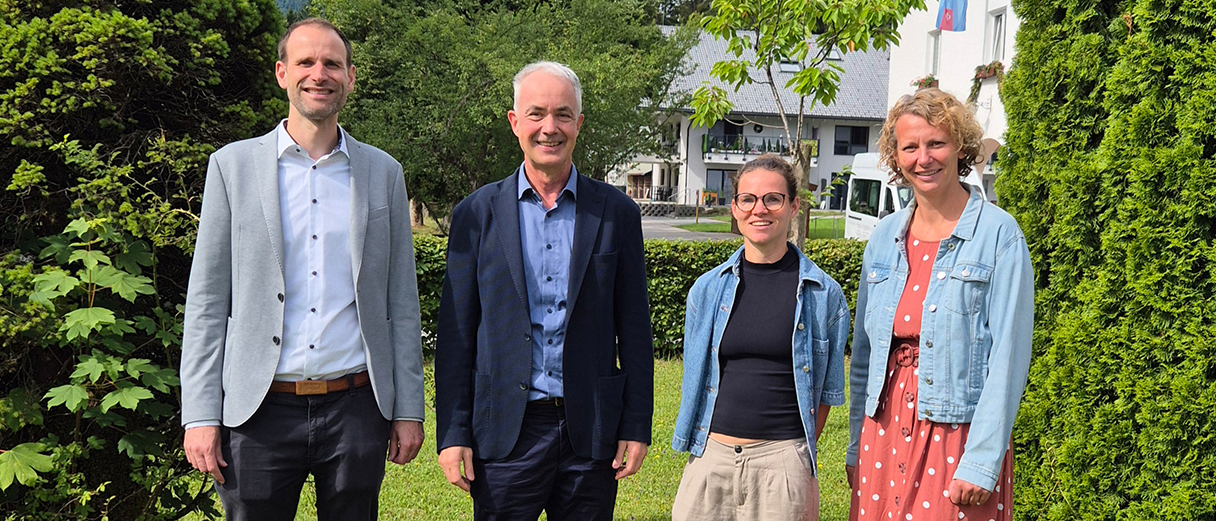
Parents raising children under the age of 18 and relatives caring for people in need of care face a wide range of stresses in their everyday lives. A two-year long-term study is now being carried out at the Augustinum Berchtesgadener Land Preventive Medicine Clinic in Bischofswiesen to investigate how stress, anxiety disorders and depressive symptoms can be counteracted. It is being conducted by Professor Thomas Keil of the Institute of Clinical Epidemiology and Biometry (ICE-B) at the University of Würzburg and the Institute for Evidence-Based Spa Medicine and Health Promotion (Bad Kissingen) of the Bavarian State Office for Health and Food Safety.
Relatives and other people from the social circle are a key resource for the care of the very elderly with physical, cognitive or other limitations. They provide unpaid help with daily living. According to estimates, around 20 per cent of people aged 50 and over across Europe act as so-called informal carers. In Germany, more than half of those in need of care are looked after exclusively by relatives, who are often in paid employment themselves – the majority of whom are women.
Multiple burdens jeopardise health
This multiple burden often means that their own needs are given less consideration. This can lead to a deterioration in their physical and mental health. Among parents of under-18s in Germany, 70 per cent feel exhausted or burnt out, according to the Müttergenesungswerk – an increase of 15 percentage points since 2019. Symptoms of depression among parents have almost doubled in five years, rising from 22 per cent to 40 per cent.
Nevertheless, there is a lack of long-term studies in Germany on the health outcomes of those affected. Studies from the US and other European countries point to poorer mental and physical health. In particular, family carers suffer more frequently than their peers without caregiving responsibilities from a reduced quality of life, severe stress and anxiety disorders, depression, high blood pressure, diabetes, spinal pain and other chronic pain conditions.
There are a number of comparative studies in Germany on the benefits of outpatient interventions. Whilst behavioural therapy measures showed some positive effects, they were generally unable to produce a sufficiently strong and lasting impact.
Family study aims to fill research gap
The lack of research data for Germany has led to the idea of an evaluation study with long-term follow-up. In July 2026, the study was launched as part of a collaborative project with the preventive care clinic at the Augustinum Berchtesgadener Land in Bischofswiesen. The Augustinum Berchtesgadener Land is part of the Munich-based Augustinum Group, a diaconal social enterprise which operates 25 care homes for the elderly, numerous inpatient and outpatient care facilities, schools and boarding schools, as well as facilities for people with disabilities across Germany.
An ideal setting for the ‘Bischofswiesen Family Study’: the Augustinum Berchtesgadener Land has specialised for many years in the treatment and support of target groups across the entire lifespan, from early childhood to old age. Furthermore, the preventative care clinic has many years’ expertise in health promotion for parents of young children and family carers, offering a three-week inpatient treatment programme throughout the year in accordance with Sections 23 and 24 of the German Social Code, Book V (SGB V).
The programme includes sports and exercise therapy as well as psychosocial support, such as relaxation techniques and mindfulness training. Patients receive therapeutic, medical and educational support to help them strengthen their own resources, recharge their batteries and, where necessary, make changes to their daily routines.
Long-term comparison of stress and psychological impairments
The study is now surveying participants at the start and end of the programme, as well as 12 and 24 months after the programme. Over the long term, the study examines changes in well-being and everyday stress, as well as the possible development of anxiety disorders and depressive symptoms.
The aim of the family study is to assess the health situation of those affected and to determine the relationship with possible influencing factors, such as the child’s age, family size or underlying conditions such as dementia and stroke in the person requiring care. By taking part, parents of under-age children and family carers are contributing to the further development of inpatient preventive care services, such as those at the Augustinum, as well as outpatient measures following a stay at the health resort.
Two further studies planned in Bavaria
The study is led by the Family Carers Research Group, a collaboration between the University of Würzburg and the Bavarian State Office for Health and Food Safety. The medical management team at the Augustinum Preventive Care Clinic is coordinating the project on site.
The Family Carers Research Group is involved in collaborative projects across Germany and will be launching two further evaluation studies in Bavaria over the coming months to investigate the health trends of those in need of care and their family carers through long-term data collection.