
Heart failure: Who benefits from telemedicine?
09/01/2026A new analysis by the German Centre for Heart Failure in Würzburg shows that remote care provided by specialist carers is not equally effective for all people with heart failure.
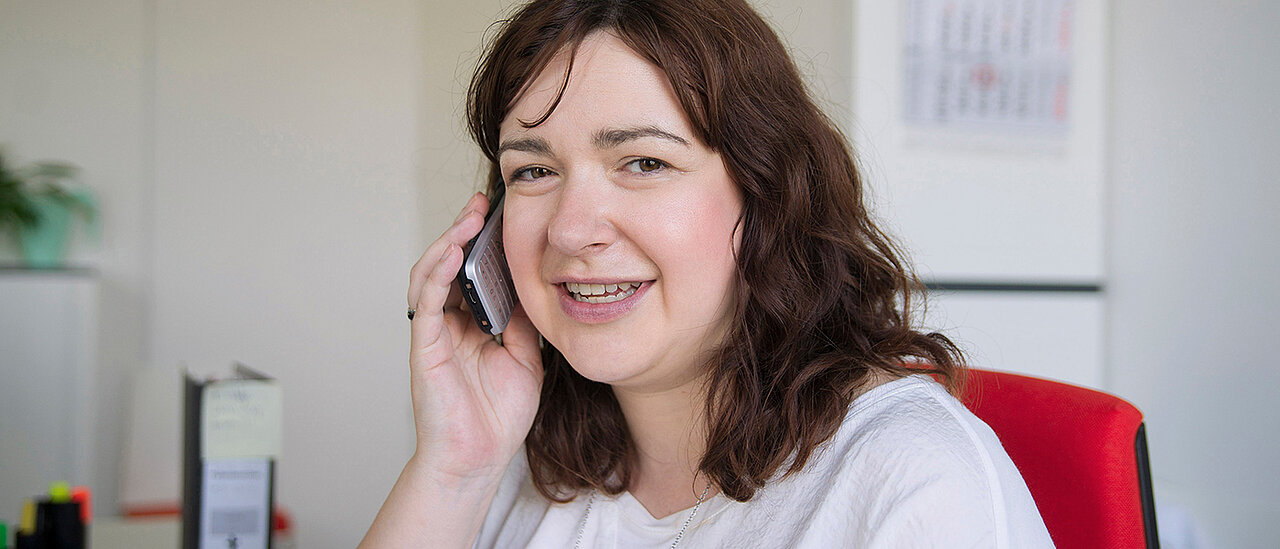
Telemedical care can help people with heart failure to live longer and improve their quality of life. This has already been demonstrated by a number of studies, including the federally funded extended INH study (E-INH = Extended Interdisciplinary Network Heart Failure). In this study, the German Centre for Heart Failure (DZHI) in Würzburg, part of the University Hospital of Würzburg (UKW), investigated the long-term effects of a telemedicine and support programme (HeartNetCare-HF) coordinated by specialist nurses.
In addition to standard care, a heart failure nurse called patients in the intervention group regularly for 18 months, training them in self-monitoring of blood pressure and heart rate, as well as in recognising signs of heart failure such as fluid retention in the ankles, collected the results of their self-monitoring and optimised their medication regimen in collaboration with the medical staff. The 42-month follow-up period took place without any intervention.
In a secondary analysis, the study team now sought to determine whether everyone really benefits equally from care provided by a so-called HI nurse. “Apparently not,” concludes Dr Fabian Kerwagen, a cardiologist and lead author of the findings published in the journal *Circulation: Population Health and Outcomes*. “Our analyses revealed fascinating and insightful interactions between the factors of gender, marital status and care.”
No benefits for unmarried women
Married women benefited most from the 18-month remote care programme. After five years, the overall mortality rate stood at 28 per cent. By comparison, the rate for unmarried men receiving standard care was 60 per cent. “We were therefore not surprised that, for men living alone, telemedical care provided by a specialist carer was beneficial,” says Fabian Kerwagen. “What did surprise us, however, was that unmarried women did not benefit from remote care. In our analysis, unmarried women receiving remote care actually fared slightly worse than those receiving standard care.”
The available data do not yet allow the scientists to explain why there are differing interactions between gender and marital status, or why the type of care was not equally suitable for all patients.
Telemedicine clearly does not work the same for everyone
“However, the results show us that we need to look closely at how patients actually experience our care. A regular phone call can be a valuable source of support for one person, whilst it may not have the same effect on another. That is why, in future, we should also take into account the social and psychological needs and life circumstances of our patients when using telemedicine interventions,” comments Professor Stefan Störk, Head of the Department of Clinical Research and Epidemiology at the DZHI and of the training programme for heart failure nurses and specialist heart failure support staff at the DZHI.
For women living alone, for example, the relationship with the caring nurse – who is usually female – could play a different role than it does for men living alone. The manner in which the telephone conversations were conducted and how they were perceived could also have an influence. It is equally conceivable that, for women living alone, these regular contacts do not provide the desired social support or are even perceived as an additional burden.
When social connectedness becomes part of the therapy
Fabian Kerwagen highlights the concept of ‘loneliness’. “Our new analysis provides an interesting new perspective on the debate surrounding social connectedness – that is, the extent to which people are socially integrated and how strongly they feel connected to others,” says the clinician-scientist.
A large meta-analysis by Julianne Holt-Lunstad demonstrated just how important social relationships are for health: people with stronger social relationships had a significantly higher probability of survival than those with weaker social relationships. The significance of social relationships for mortality is therefore comparable to established risk factors such as smoking and alcohol.
“Our analysis now raises a further question: what happens when a medical intervention itself involves social interaction?” asks Kerwagen. The results suggest that not every form of social support works equally well for everyone. Gender and social circumstances could therefore influence how such care is received and the benefits it yields. “If loneliness is a health risk and social relationships are part of medicine, then we may need to tailor social interventions just as individually as other therapies,” concludes Fabian Kerwagen.
According to the authors, future studies are needed to investigate whether, and how, tailoring telemedical interventions to patients’ gender and family status optimises treatment outcomes for people with heart failure.
Publication
Effect modification of remote patient management by sex and marital status among patients with heart failure in Germany: Findings from the Extended Interdisciplinary Network Heart Failure Trial. Fabian Kerwagen, Susanne Sehner, Judith Albert, Caroline Morbach, Gülmisal Güder, Karl Wegscheider, Hermann Faller, Stefan Frantz, Georg Ertl, Christiane E. Angermann, Stefan Störk. Circulation: Population Health & Outcomes. 17 August 2026, doi: 10.1161/CIRCOUTCOMES.125.012770