
Gaining a better understanding of conjunctivitis, reducing animal testing
09/08/2026A foundation is providing around 100,000 euros to support the development of a 3D model of the human conjunctiva at Würzburg University Hospital (UKW). Among other things, the researchers aim to accelerate drug discovery.
Almost everyone has experienced red, irritated and sore eyes at some point. This is often caused by inflammation of the conjunctiva – triggered, for example, by allergens, infections, environmental pollutants, chemicals, cosmetics or the long-term use of eye medicines. Consequently, there is a great need for effective and safe treatments.
However, the development of new medicines and medical devices requires extensive pre-clinical testing to identify the most promising candidates before they enter clinical development. At present, many active substances are still evaluated using animal testing. However, these methods are costly and time-consuming, and raise ethical concerns.
Growing need for laboratory models
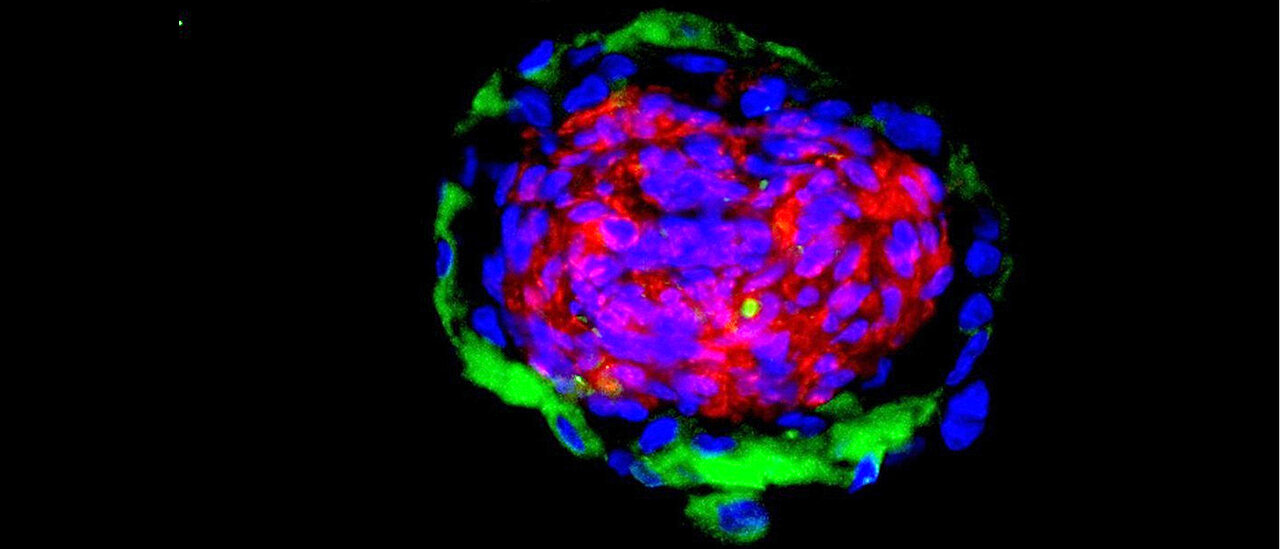
“There is therefore a growing need for reliable, human-oriented laboratory models that can reduce or replace animal testing whilst improving the prediction of human responses,” explains Dr Malik Salman Haider. The head of the research laboratories at the Department of Ophthalmology at Würzburg University Hospital (UKW) is offering such an alternative with the development of a so-called human conjunctival spheroid.
The "Stiftung zur Förderung und Erforschung von Ersatz- und Ergänzungsmethoden zu Tierversuchen" (Foundation for the Promotion and Research of Alternative and Complementary Methods to Animal Testing) (SET) is supporting the research project “A Human Conjunctival Spheroid Platform for Inflammation and Ocular Safety Testing” with just under 100,000 euros.
A model of the human conjunctiva
“Our aim is to develop a reliable 3D model of the human conjunctiva that replicates the biology of the ocular surface as accurately as possible, thereby helping us to better understand inflammation in the conjunctiva and to investigate how it responds to new active substances. Furthermore, we will investigate whether the pathophysiological inflammation model is suitable as a robust platform for ocular tolerability testing, to enable preclinical screening that is more predictive and more relevant to humans,” explains Malik Salman Haider.
The platform developed as part of the project is intended to enable high-throughput screening of new therapeutic compounds and to allow the investigation of ocular tolerability and anti-inflammatory properties under controlled laboratory conditions. This could enable promising compounds to be identified more quickly and their safety to be assessed more reliably in the early stages of development. “With the new platform, we aim to accelerate drug discovery, improve the prediction of treatment outcomes and, at the same time, significantly reduce the need for animal testing in ophthalmology,” summarises Malik Salman Haider.
Experimental models and new therapeutic approaches
The development of this inflammation model is based on a well-characterised 3D spheroid model of the healthy human conjunctiva, which was recently published in *Scientific Reports *. Several members of the research team were involved in the development and comprehensive characterisation of this platform.
The project forms part of the ongoing development of translational ophthalmological research at the Department of Ophthalmology under the leadership of Professor Jost Hillenkamp. Together, Hillenkamp, Haider and the research team are driving forward both the development of human-relevant experimental models and new therapeutic approaches for eye diseases.
These include advanced in vitro and ex vivo models, nanocarrier-based drug formulations, biomaterials and hydrogel-based approaches, including the development of novel vitreous replacement materials.