
From rehab to routine
05/26/2026Can a follow-up consultation with the family doctor make it easier to stay on track? A study at the University Hospital of Würzburg is investigating this question. Data collection for the research project has now started.
Medical rehabilitation can achieve a lot - but the real challenge often only begins afterwards: in everyday life. Many patients ask themselves how they can practically implement the recommendations on nutrition, exercise or stress management at home.
The Rehabilitation Sciences working group at the Centre for Mental Health at the University Hospital of Würzburg is addressing these questions in a current study. The focus is on the role of GP practices in providing targeted support to patients in the weeks following rehabilitation. Data collection for the research project RENAGE - Rehabilitation Aftercare Consultation - began in May.
The role of the GP practice in the success of rehabilitation
Rehabilitation can help patients regain physical fitness, cope better with everyday life and develop strategies to prevent stress or overwork. However, after returning to everyday life, it is often difficult to turn what has been learnt into a habit. Although many aftercare services such as rehabilitation sports, nutritional advice or special pension insurance programmes are recommended, only some patients take up these offers.
GPs could play a decisive role here by supporting the transition to everyday life, motivating their patients and helping them to overcome obstacles. "Maintaining the good results of medical rehabilitation in everyday life is not a sure-fire success. Patients can benefit greatly from targeted support from their GP," says project manager Dr Matthias Lukasczik.
A short conversation with a long-term effect?
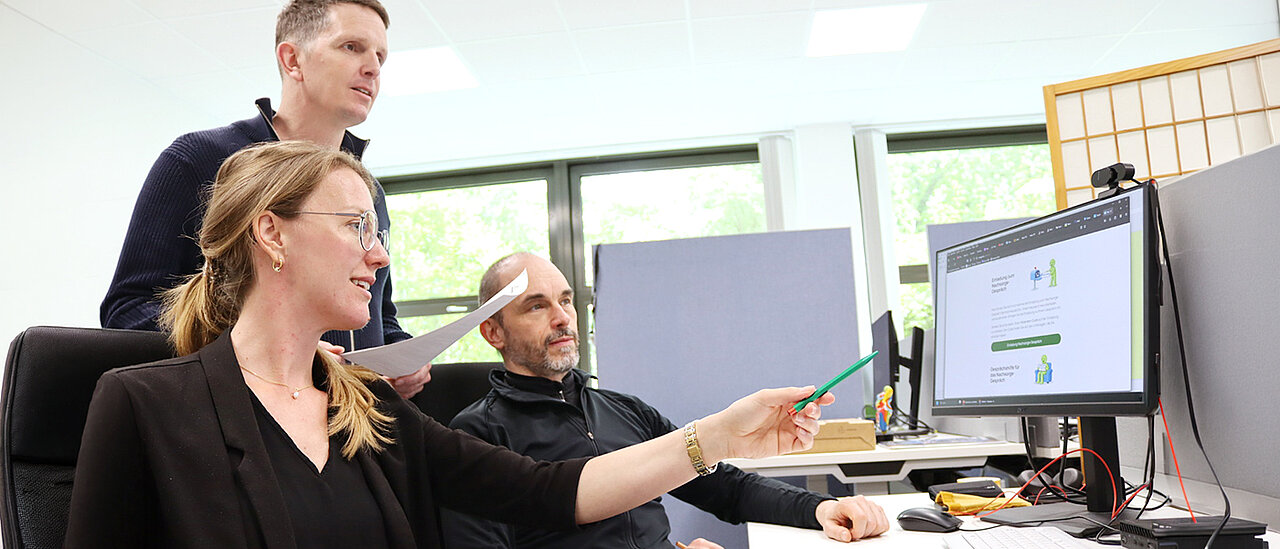
At the centre of the project is a one-off follow-up consultation in the GP practice, which should take place around four to eight weeks after rehabilitation and is supported by a specially developed guide for GPs.
The aim of the consultation is to discuss together which recommendations from rehab have already been implemented, what difficulties may have arisen and how the GP can help with further implementation. Patients are given a brief discussion guide in advance to help them prepare for the discussion and collect their questions or concerns.
"With the research project, we want to find out whether a short, structured discussion in the GP practice can sustainably promote the implementation of aftercare recommendations from rehab," explains Lukasczik.
Almost 350 patients are to take part
Five medical rehabilitation centres in Bavaria are taking part in the study. A total of 348 patients and at least 77 general practitioners will take part. The patients will be approached directly in the rehabilitation clinics. Those who agree will receive questionnaires at several points in time: at the end of rehab, after the follow-up consultation and four months later.
The participants are divided into two groups: One half receives an additional invitation to a follow-up consultation at their GP practice, while the other half, as a control group, does not receive such a consultation. The aim is to investigate whether the follow-up consultation helps to ensure that the recommendations from rehab are better implemented in the long term. In addition, the practicability of the concept for GP practices and how patients experience the consultation will be assessed.
Research for better rehabilitation aftercare
The project is being carried out by the Rehabilitation Sciences working group at the Centre for Mental Health at the University Hospital of Würzburg. Under the leadership of Dr Karin Meng, the group has already implemented numerous projects on medical rehabilitation, including patient training and support for the everyday transfer of rehabilitation content.
RENAGE is funded by Deutsche Rentenversicherung Nordbayern with around 330,000 euros. The project will run for three years. Further information on the project can be found at: www.renage.de