
Thyroid: Information on autoimmune diseases
09/08/2026A free information day organised by Würzburg University Hospital on 26 September will focus on autoimmune thyroid disorders. Anyone interested must register by Friday 18 September.
The Clinic of Nuclear Medicine at Würzburg University Hospital (UKW) is hosting a thyroid information day in German language on Saturday, 26 September 2026. This free event is aimed at patients, their relatives and anyone else who is interested. The focus will be on autoimmune diseases such as Hashimoto’s thyroiditis and Graves’ disease.
The event aims to provide guidance to those affected and answer common questions: What symptoms indicate an autoimmune disorder? Which laboratory test results are important? When is medication sufficient, and when might other treatment options be considered?
Lectures and free ultrasound scans
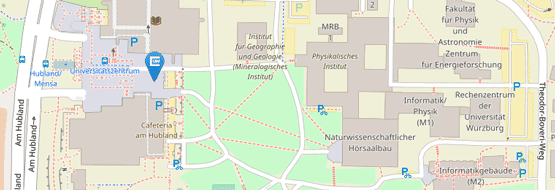
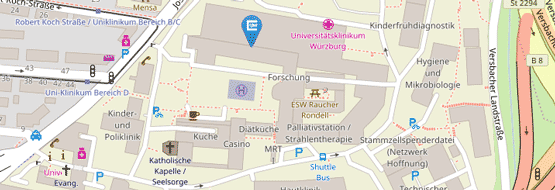
Between 10.00 am and 11.30 am in Lecture Theatre 1 of the Centre for Internal Medicine (ZIM) on Oberdürrbacher Straße, specialists in nuclear medicine, endocrinology and surgery will give talks on causes, as well as diagnostic and treatment options. The talks will focus on the role of the immune system, imaging techniques such as ultrasound and scintigraphy, and surgical and nuclear medicine treatment options.
Afterwards, the organising team will host a light refreshment reception. In addition, the Department of Nuclear Medicine will be offering free ultrasound scans of the thyroid from 12.00 to 14.00.
Registration is required by Friday, 18 September 2026 at the latest. Registration form
Autoimmune thyroid disorders
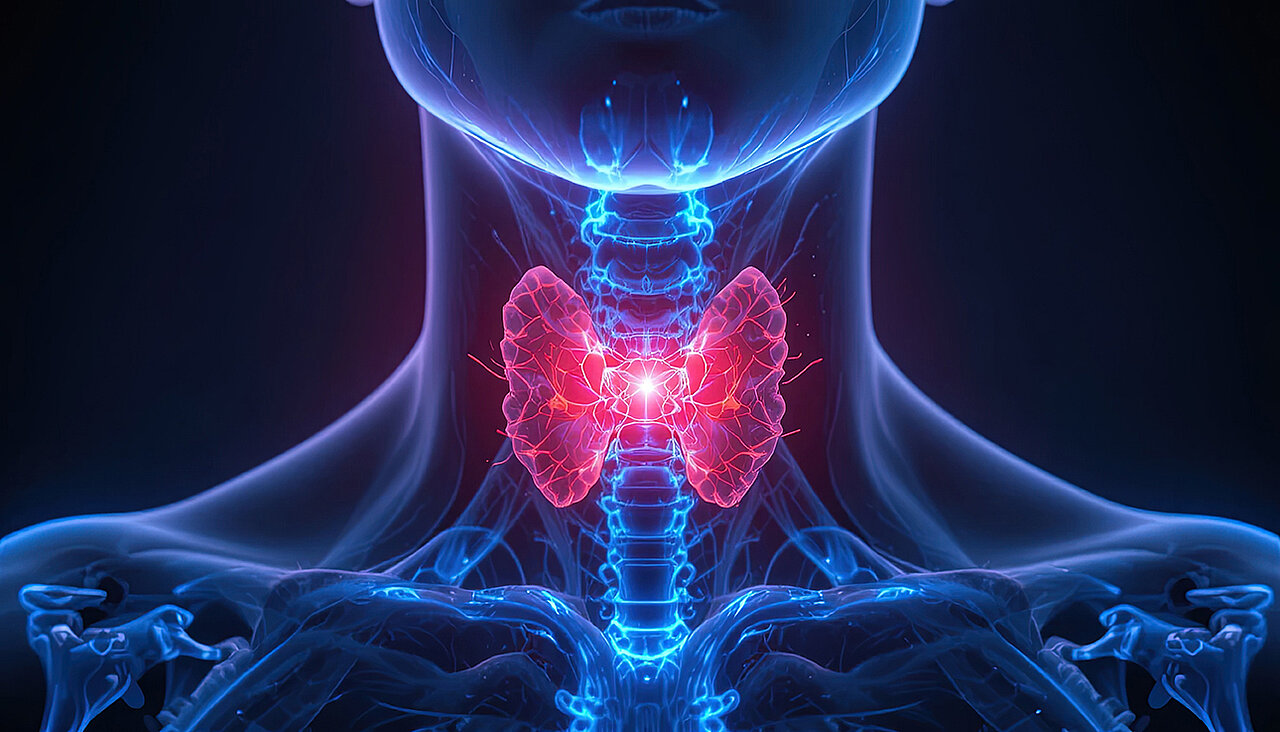
The immune system mistakenly attacks the thyroid gland. The most common form is Hashimoto’s thyroiditis, in which chronic inflammation can lead to hypothyroidism in the long term. Typical symptoms include tiredness, listlessness, weight gain and difficulty concentrating. Graves’ disease usually leads to an overactive thyroid. Those affected often suffer from palpitations, nervousness, weight loss, sleep disturbances and excessive sweating. Both conditions can generally be diagnosed and treated effectively.