
Participation encouraged: Nature on the university campus
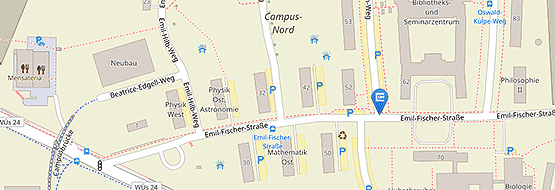
05/05/2026Go for walks, attend workshops, listen to lectures: On Sunday, 10 May, everything will revolve around ecology and nature on the university's Hubland Campus. All citizens are invited.
Which birds and insects live on the Hubland Campus of the University of Würzburg? What grows in the CampusGarden and what is the concept behind it? How does proper composting work, what do you need to consider when building a seedbomb or drawing butterflies?
Such diverse topics are on the agenda of a Citizen Science Day on Sunday, 10 May 2026. The Ecology Department of the student's representation in cooperation with the university group of the Landesbund für Vogel- und Naturschutz (LBV) invites all citizens to attend - because Citizen Science is about involving society in science.
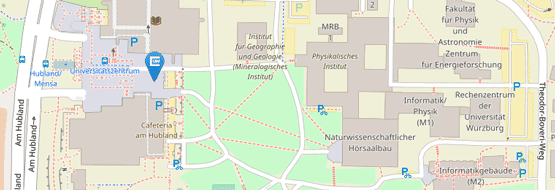
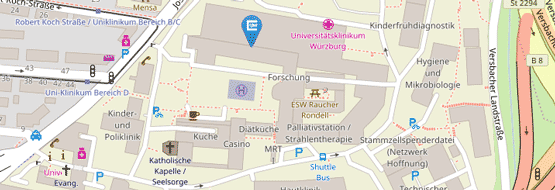
Start in lecture theatre building Z6
From 10 a.m. to 5 p.m., there will be lectures, excursions on biodiversity on the university campus and hands-on workshops. A museum and library room with exhibits and literature will be open throughout the day on the first floor of the Z6 lecture theatre building.
The day will open at 10 a.m. in Z6 with welcoming speeches by University Vice President Anja Schlömerkemper and Würzburg Climate Mayor Dr Sandra Vorlová. Participation in all events is free of charge; registration is not required.
Website: https://go.uniwue.de/citizen-science-tag
Walks
On the walks, participants are shown various facets of biodiversity on the campus grounds:
- Birds at Hubland: in this excursion, the LBV university group, led by Dale Auchinleck, shows which birds flutter and sing around the campus grounds.
- CampusGarten: Renaturation ecologist Pascal Bunk explains what the largest urban gardening project at a university in Germany is all about.
- What's crawling on Hubland: Dr Sarah Redlich from the Living Campus initiative provides insights into the world of butterflies, bees and co.
Workshops
In the workshops, everyone can get hands-on and try out various ecological methods:
- Proper composting: After the guided tour of the CampusGarden, participants get the chance to find out how to compost sustainably in their own garden and look at the tiniest soil creatures through a microscope.
- Drawing butterflies: Julian Müller from the Ecology Department will show what is important in scientific drawing and how to sketch butterflies correctly.
- Building seedbombs: Alexander Klein from the Ecology Department builds seedbombs with participants and shows what is important when it comes to ecologically valuable seeds.
Lectures
The scientific lectures provide background information on Citizen Science:
- Past Citizen Science: In this English-language lecture, Dr Esme Ashe-Jeppson explains how unknown knowledge can be brought to light from historical private collections.
- What is Citizen Science? PhD student Christian Zehner explains how citizen science is made accessible to science, for example through identification apps, and gives an outlook on future research.