
Biobank expansion strengthens research at the UKW
05/12/2026An important cornerstone for medical research at the University Hospital of Würzburg (UKW). The Interdisciplinary Biomaterial and Database Würzburg (ibdw) provides scientists with valuable human biosamples.
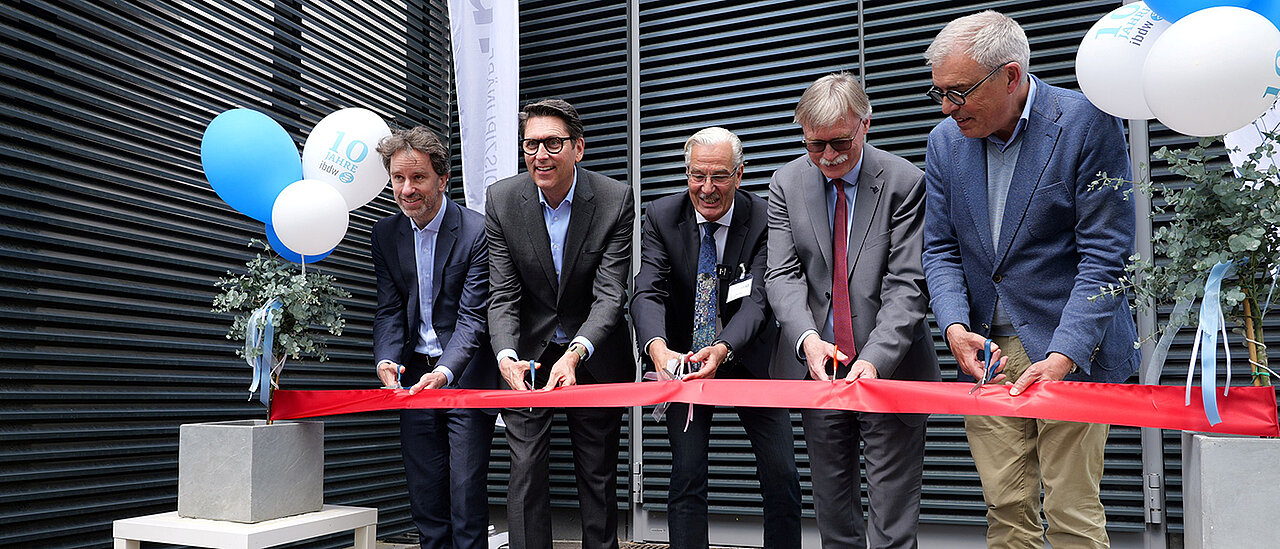
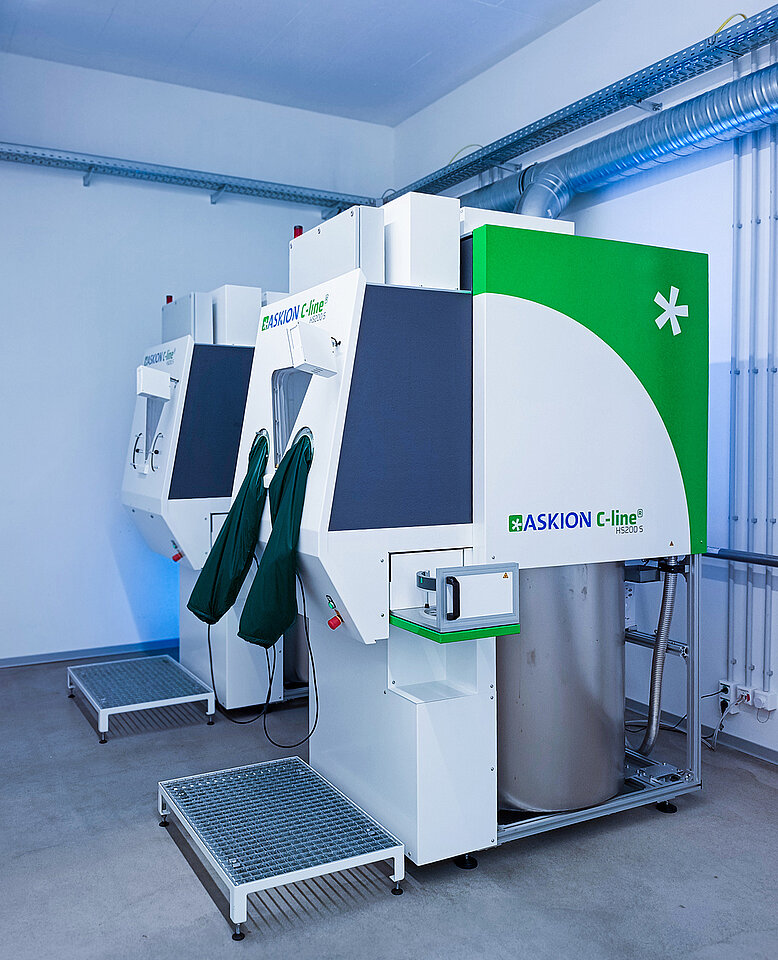
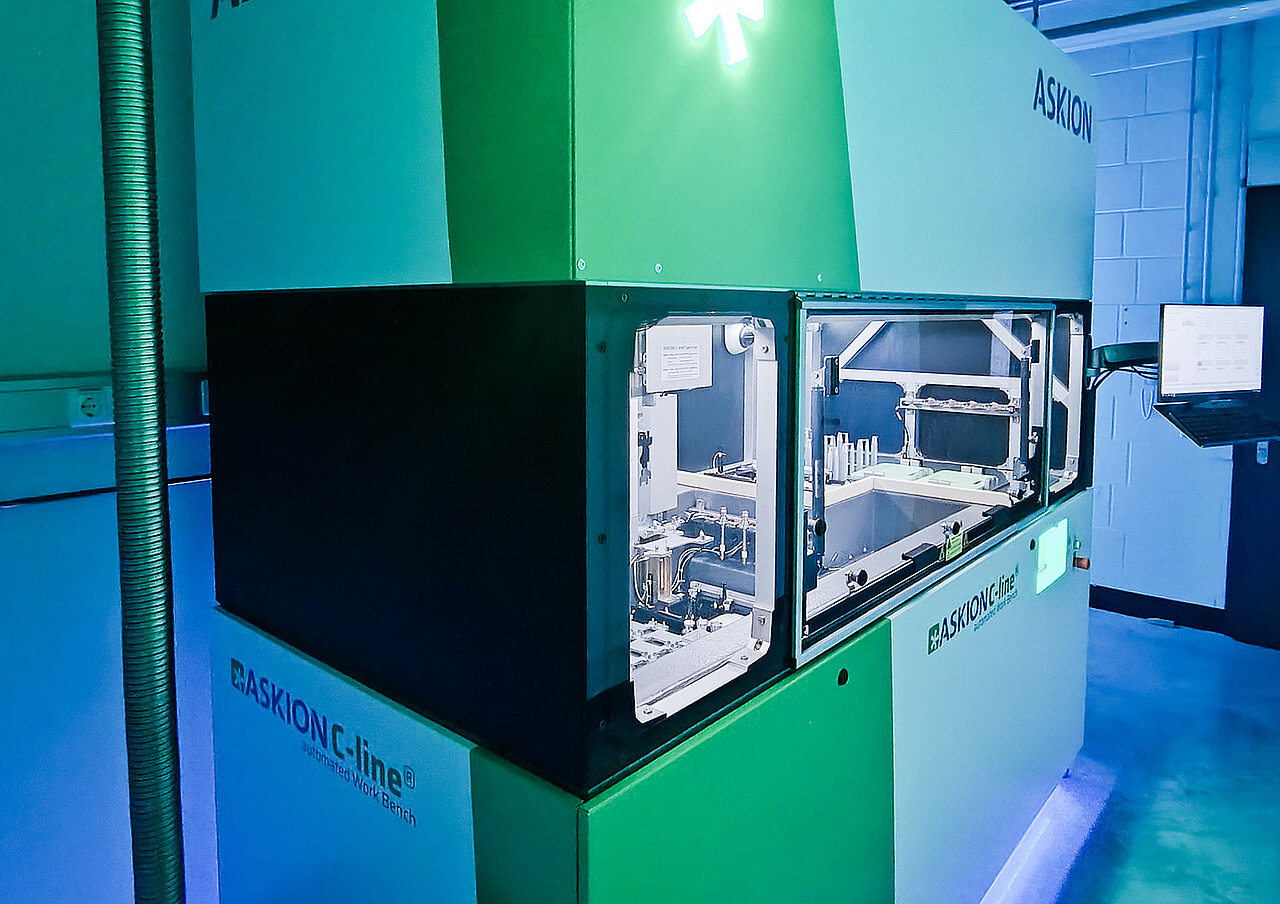
New technology for the highest quality: With a view to its central role as a partner in medical research, ibdw has expanded its technical infrastructure in a targeted manner, thereby strengthening the conditions for future developments in the long term. In addition to the existing storage facilities at minus 80 degrees Celsius, biosamples can now also be stored in an automated high-performance storage system in the gas phase of liquid nitrogen at minus 185 degrees Celsius. In addition, an automated workstation enables processing at minus 100 degrees Celsius without interrupting the cold chain.
This not only increases efficiency, but also improves health and safety for employees. At the same time, ibdw has opted for more environmentally friendly technology without the use of ozone and climate-damaging refrigerants.
Growing with the demands of research
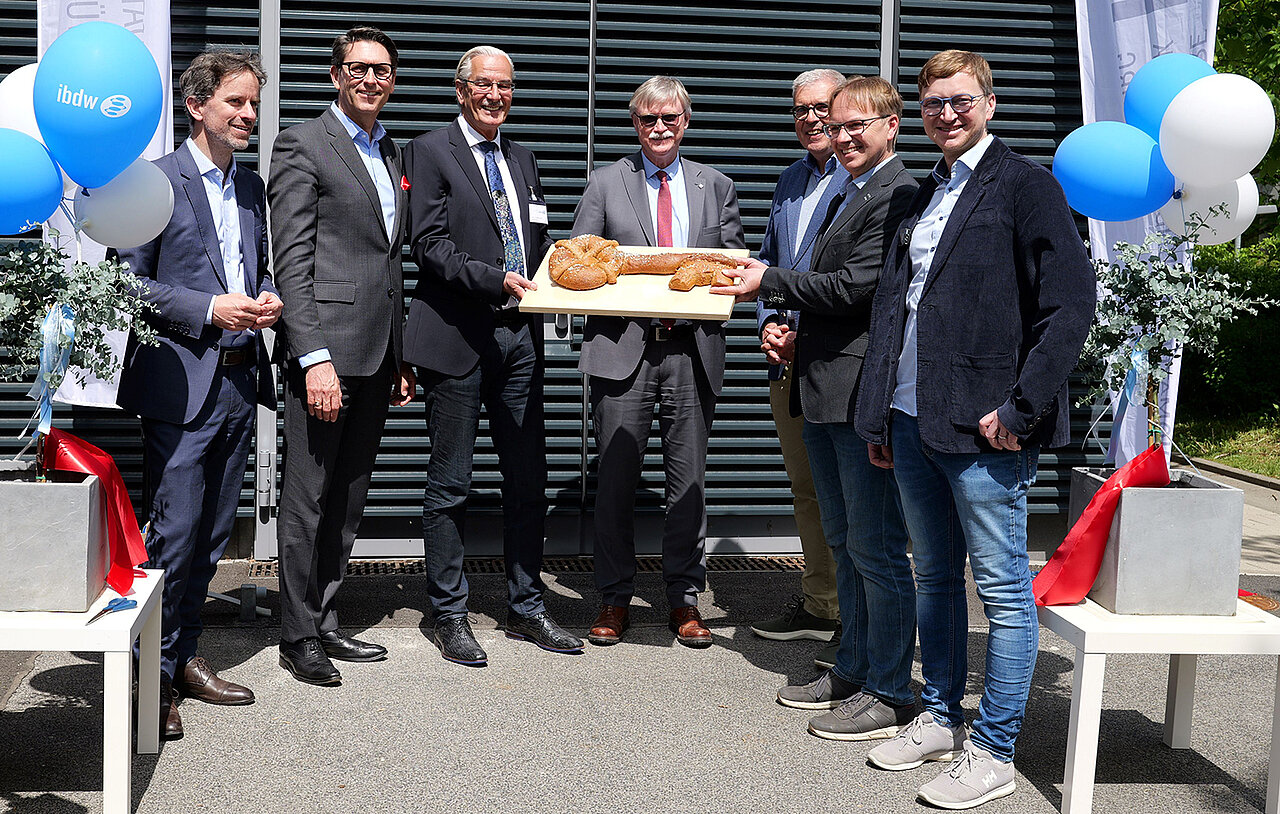
"Our biobank has been working successfully for over ten years and has established itself as a reliable partner for research," emphasises Professor Roland Jahns, Director of the ibdw. "The current expansion to include a large, modern nitrogen storage facility with automation allows us - thanks to the support of the UKW and Julius-Maximilians-Universität - to offer our oncological associations in particular, such as the National Centre for Tumour Diseases (NCT), a better range of services and more storage capacity at minus 185 degrees. The current expansion is a clear signal that the increasing demand from medical research for high-quality biosamples and stabilised human cells can also be met in the future," said Jahns. The construction work was carried out over a period of two years and was realised entirely during ongoing operations.
With a view to future developments, the biobank's technology has a modular structure. The system can be flexibly adapted to increasing numbers of samples and new scientific requirements. Different sample formats can be integrated and existing laboratory and automation systems can be easily connected.
Another key aspect is the seamless documentation: every processing step of a sample remains clearly traceable throughout its entire life cycle - from storage to subsequent use in research. Sensitive patient data remains protected!
Investing in the medicine of tomorrow
"Professor Tim J. von Oertzen, Chairman of the Board and Medical Director of the University Hospital Würzburg (UKW): "The expansion of the biobank sends a strong signal for the research location University Medicine Würzburg, for the region and also nationally. The biobank is one of the most efficient sites in Germany. It is an important basis for shaping medical progress in the future. Numerous patients will benefit from this progress."
In addition to the University Hospital, Julius-Maximilians-Universität Würzburg (JMU) also made a significant six-figure contribution to the costs.
"The Interdisciplinary Biomaterial and Database Würzburg is a central infrastructure for our Faculty of Medicine and an important investment in the future viability of Würzburg as a centre of science. I am particularly pleased about such projects," emphasises Dr Uwe Klug, Chancellor of the Julius-Maximilians-Universität Würzburg.
Institutions such as the Bavarian Centre for Cancer Research (BZKF) also support the further development of biobanks by promoting specialist staff and establishing common standards. The Würzburg site is actively involved in these supra-regional structures.
How does the ibdw help modern research?
Whether cancer research, immunology or personalised medicine: many scientific advances begin with high-quality biosamples. This is where the ibdw, a joint institution of the UKW and the Julius-Maximilians-Universität Würzburg (JMU), comes in. It collects, processes and stores human biosamples under strictly controlled conditions and makes them available to the scientific community.
The aim is to store these valuable samples safely and in a quality-controlled manner over the long term and to use them to create a reliable basis for new scientific findings, both here in Würzburg and beyond.
Additional images