Organisational structure
The Center for Teaching and Learning (CTL) was founded in spring 2023. The regulations stipulate the structure of the CTL.
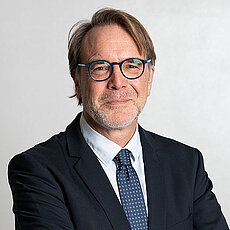
Student Advisory Board
The student advisory board advises the CTL on its projects and plans from a student perspective and is also involved in specific project work.
Areas and projects located at CTL
The staff at CTL is active in various specialist areas and third party funded projects.
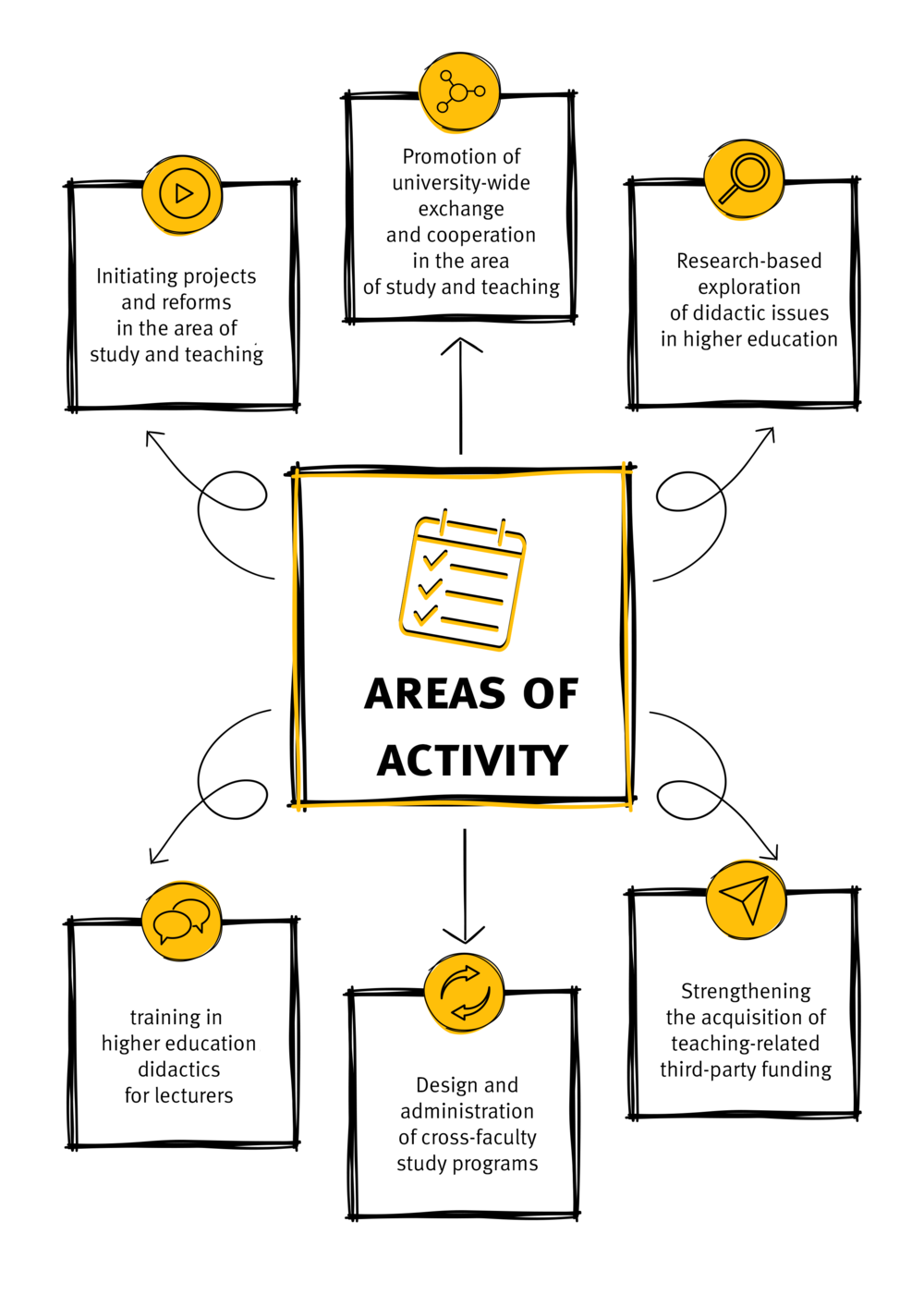
Areas of activity at CTL
In order to ensure greater dynamic, flexibility and openness in the area of academic teaching, specialist forums have been created to facilitate cross-disciplinary dialogue and strategic collaboration between employees in this area.
Exchange in specialised forums
Academic didactics and methodology
Experimental laboratory for new teaching formats and modern technologies. Together with teachers, students, and researchers, we develop, test, and share new teaching concepts and methodologies. Discursive, scientific exchange supports an innovative and collaborative teaching culture.
Staff training in teaching
Putting knowledge of teaching and methodology into practice. We support teachers in improving their academic teaching skills. Thanks to the broad expertise available at the CTL, we can respond specifically to new demands and challenges (e.g., hybrid teaching, language skills for international degree programs, education for sustainable development).
Interdisciplinary competences
Developing a forward-looking range of courses covering interdisciplinary content and interdisciplinary collaboration. Students should be given the opportunity to develop their profiles. To this end, the pool for general transferable skills is being reformed. Courses such as those offered by the Writing Center or the Media Practice department provide students with support for a successful course of study and enable them to acquire additional qualifications.
Quality management in teaching
This forum is responsible for the further development of quality management, in particular the organisation of the next quality cycle following system reaccreditation. The CTL itself and its projects are subject to participatory quality monitoring. The development of new data sets enables profile sharpening and decision support through institutional research. Quality management is more than just evaluation and undergoes a recursive loop via the connection to academic didactics.
Programme development and study reform
The forum helps with the development of new demand-oriented degree programme models. Changes in the political framework (BayHIG, expansion planning) as well as social and strategic impulses (e.g. CHARM-EU, Erasmus) often require creative realisation. The expertise of all those involved is brought together here.