North American prairies
Prairies are natural grasslands of the Great Central Plains in the USA. They stretched from the Rocky Mountains in the west to the Great Lakes in the east. They originally extended from Canada to Texas in a north-south direction.
There is a prairie section in the Botanical Garden where typical plants of the different prairie forms are presented.
Map: Distribution of prairies in the USA (illustration after J. Schultz, heavily modified by H. Kehl, TU Berlin)
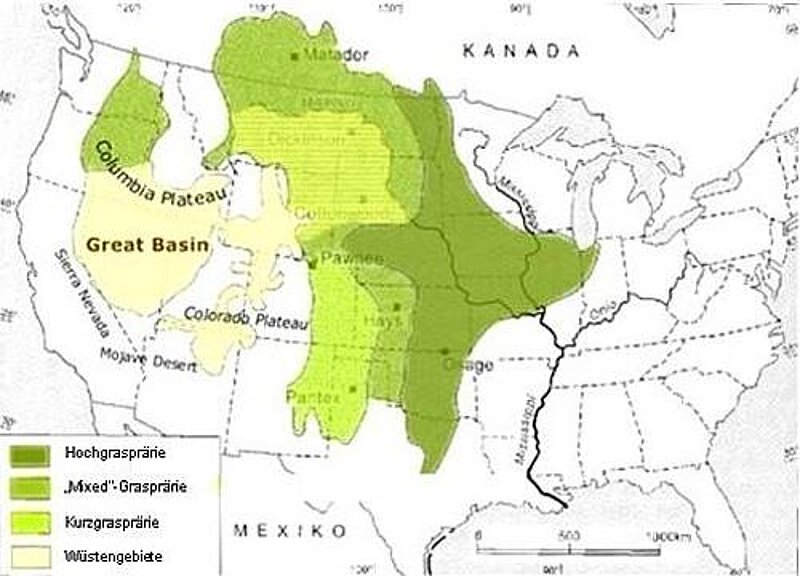
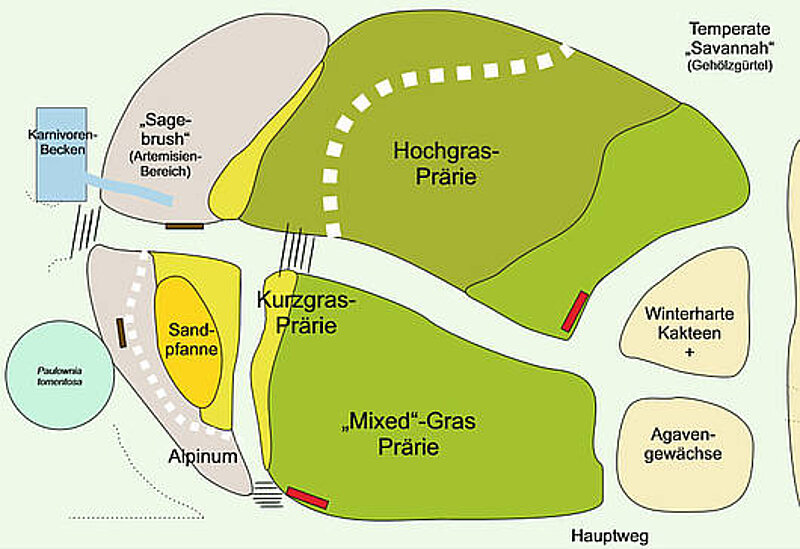
The various types of prairie in the USA with their great diversity of species are shown on an area of 3500m2. Guided tours explain the ecology of the North American prairies and their distribution in the USA. Many of the plants were and are still used today as medicinal, food or fodder plants. Some prairie plants are used today as ornamental plants in our gardens or in public green spaces.
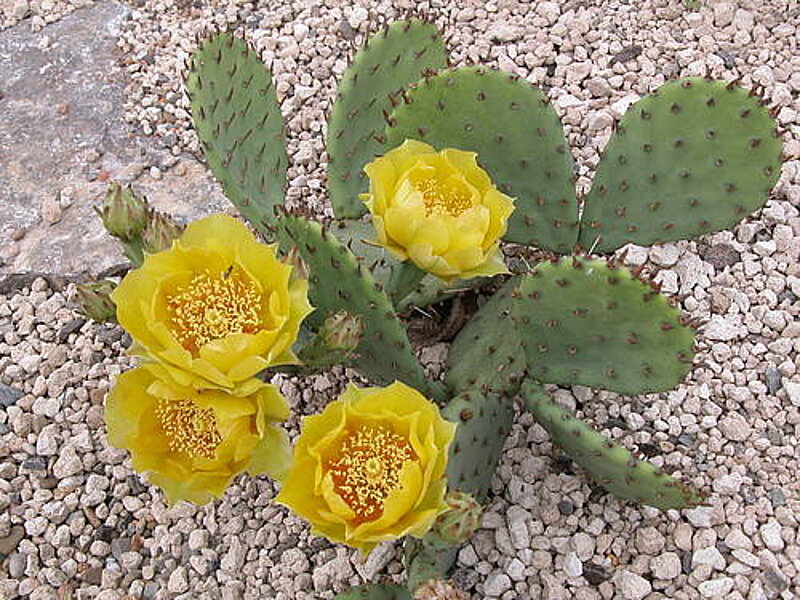
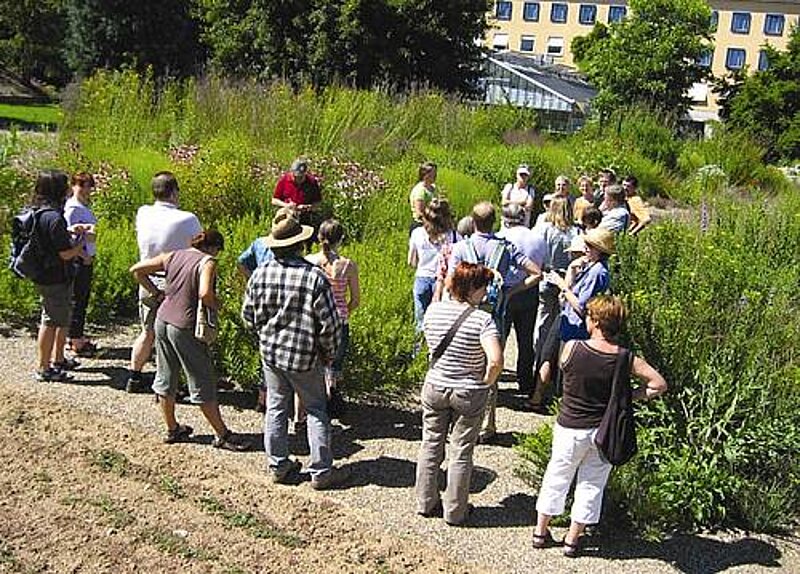
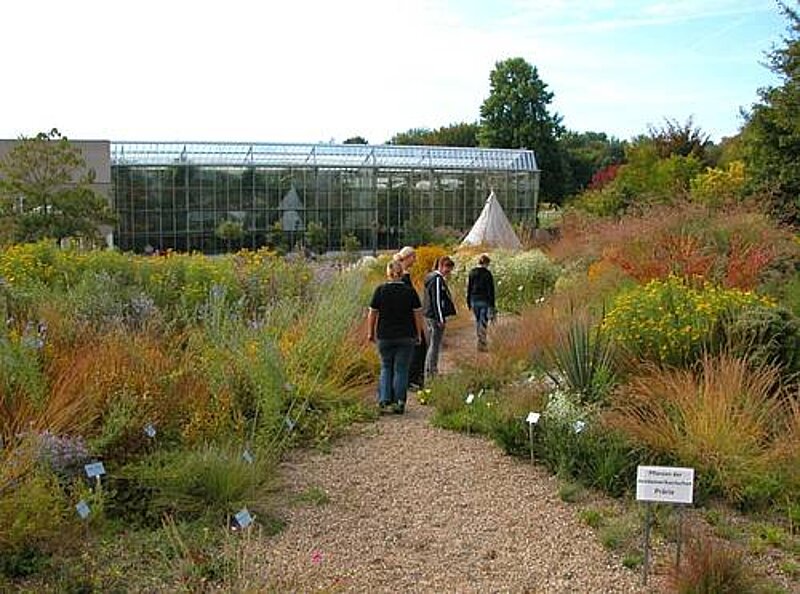
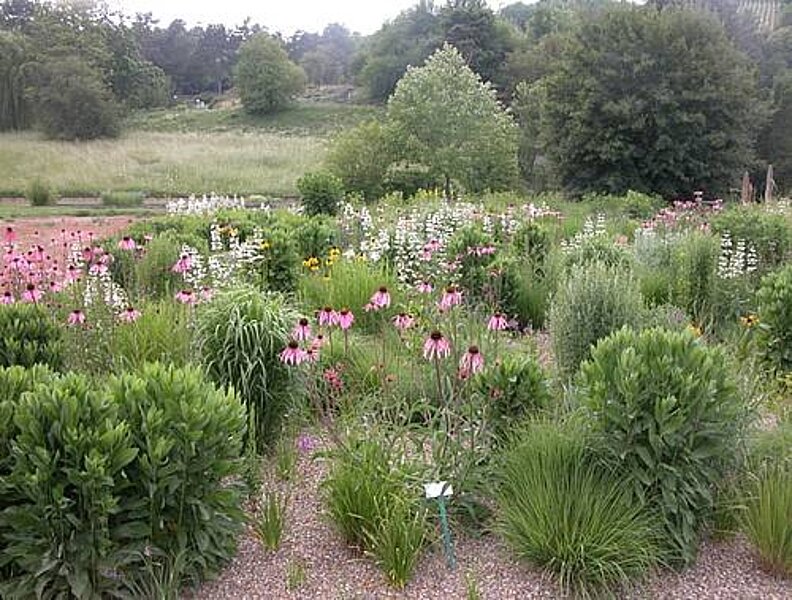
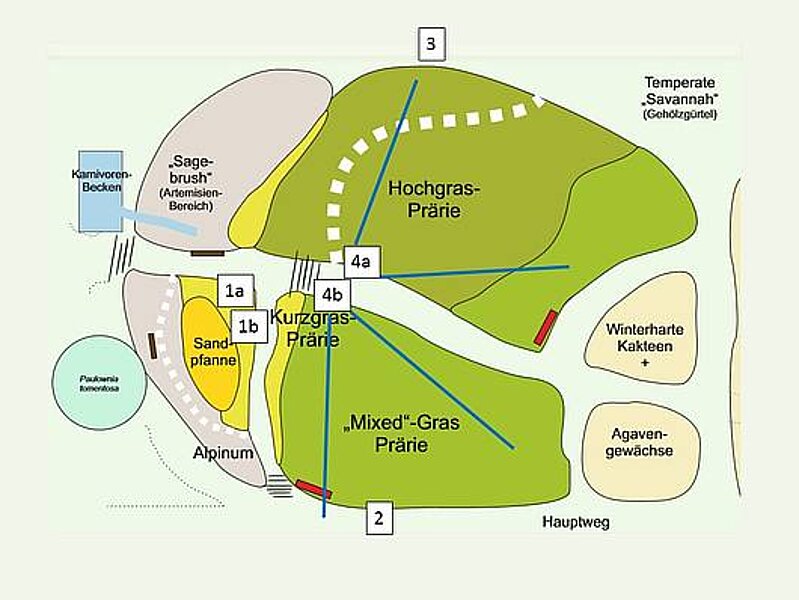
The prairie section shows the greatest changes over the course of the year with several different aspects. In a student project, an attempt was made to photographically document these changes over the course of the year.
By clicking on the videos, you can see how the department changes from this perspective.
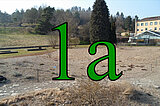
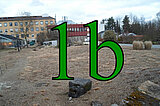
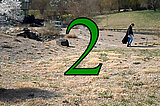
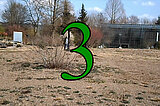
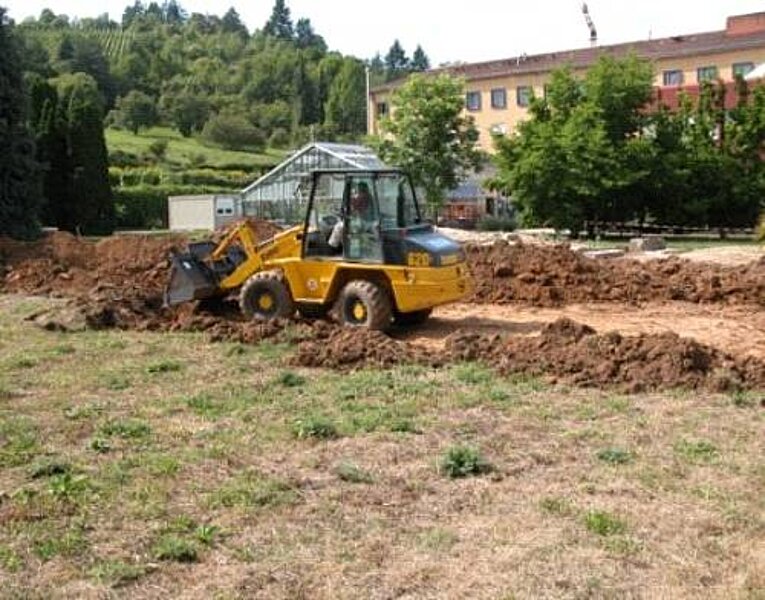
Planting the Prairie
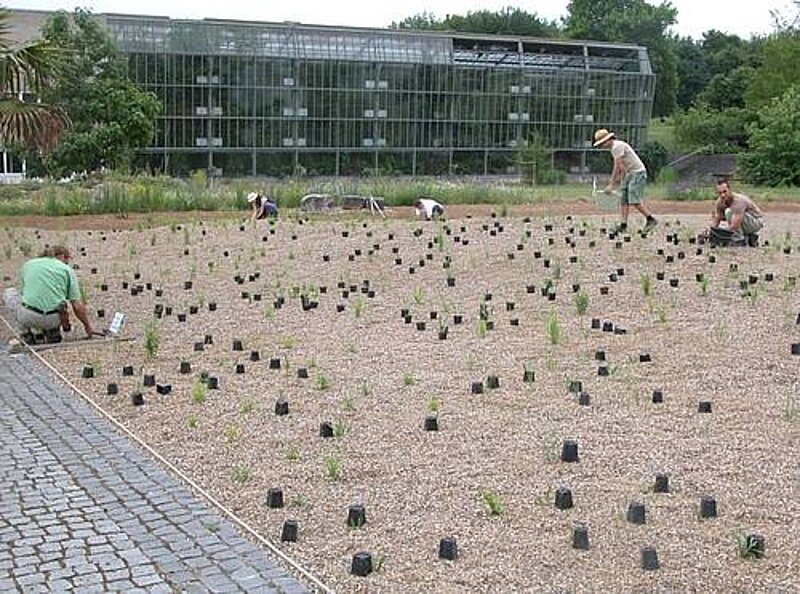
The first part was opened to the public in autumn 2007. The biodiversity and colourfulness of the North American prairies is fascinating. The "North American Prairie" has already been integrated into the teaching programme for student training. On display are grasses and perennials, some of which are now very rare even in their homeland. Some of the plants are important medicinal plants worldwide.