Garden plan
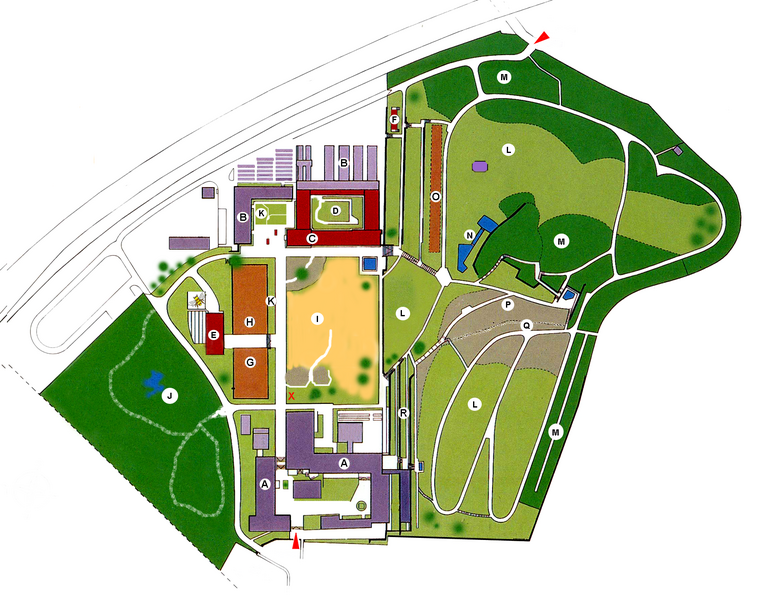
A - Julius von Sachs Institute
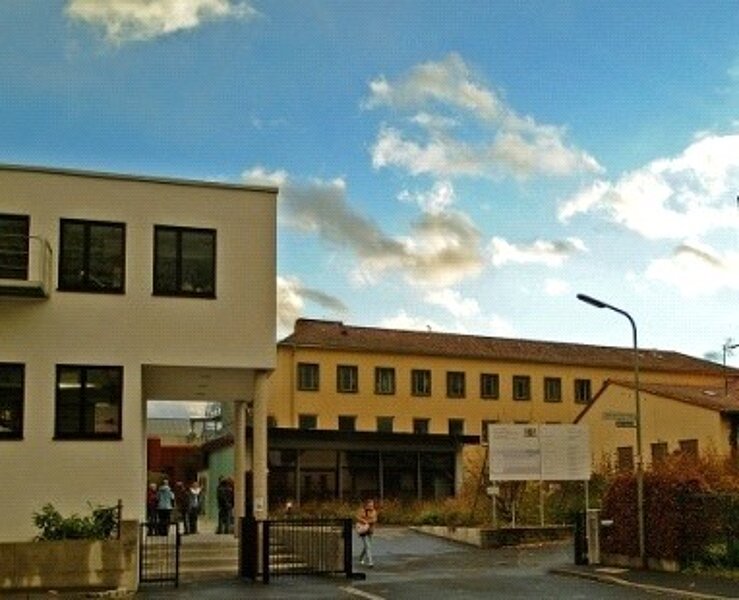
The buildings of the Julius von Sachs Institute of Plant Sciences are located at the entrance to the site.
Basic botanical research in the fields of
- Plant Physiology and Biophysics,
- Ecophysiology and Vegetation Ecology and
- Pharmaceutical Biology
is carried out at three chairs and taught to students.
As there is a staircase between the Institute buildings on the way to the Botanical Garden, wheelchair users and people with stroller should use the entrance on the left in front of the Institute building complex!
C - Tropical Showhouses
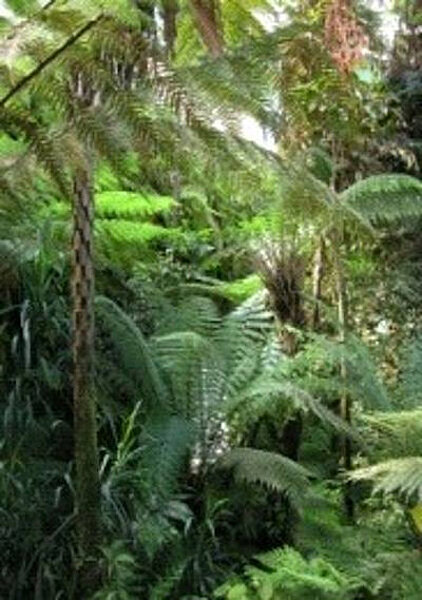
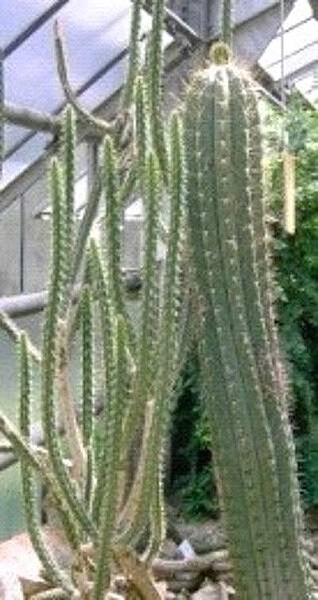
In the tropical showhouses, a path leads you from the evergreen lowland rainforests, which provide an insight into the abundance of tropical growth, through the mountain cloud forest with its tree ferns to the subtropical arid regions of the world. You will also see a selection of tropical crops from pineapple to cinnamon.
E - Mediterranean House
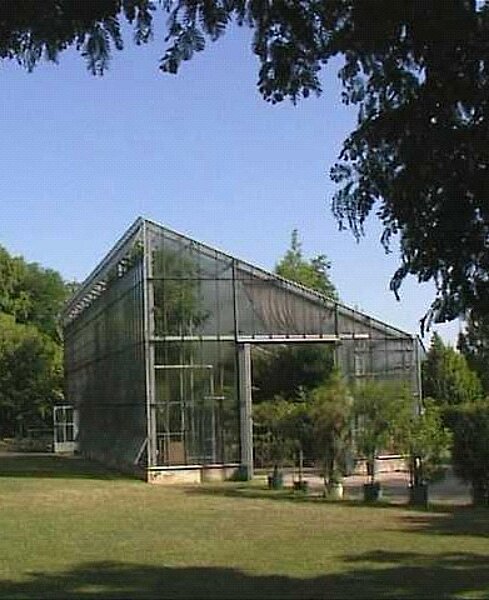
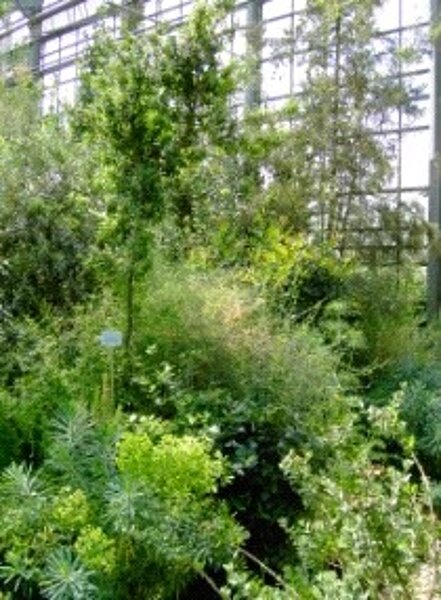
A Mediterranean (winter rain) climate prevails not only in the area around the Mediterranean, but also in South Africa, California, Chile and parts of Australia. Hardy plants from all these regions can be found in the Mediterranean house.
You can find more plants from this climate zone in the Mediterranean courtyard (D).
F - Mountain Plant House and Alpinum
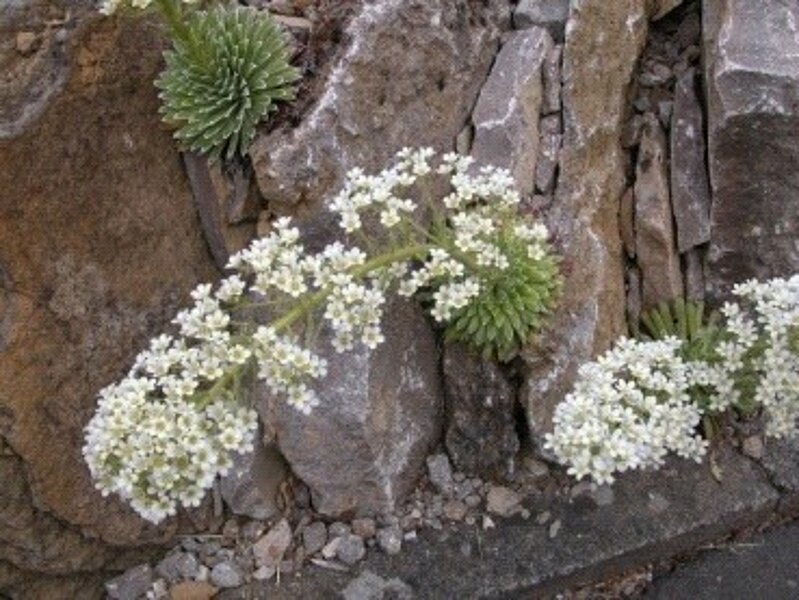
The Mountain Plant House and the Alpinum offer a collection of plants from rocky meadows and alpine mats. Short summers and high snow covering in winter have favoured plants in the alpine regions of all parts of the world that are particularly adapted to life in the mountains due to their growth habit.
G/H - Farm Garden and Medicinal Garden
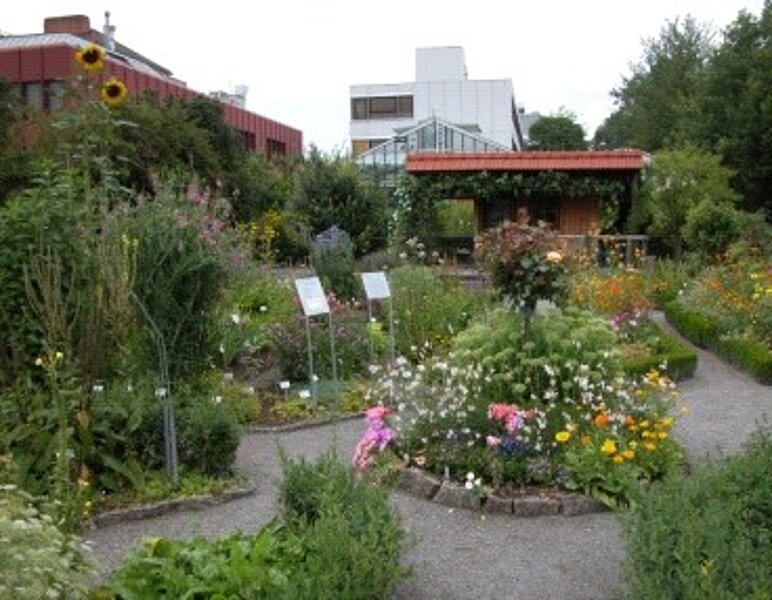
In the historic farmer's garden you will find vegetable, ornamental and wild plants in the mixed cultivation that was common in the past.
Medicinal plants are displayed next door - categorised according to their ingredients. Many of these plants still play an important role in medicine today.
I - North American Prairie with Hardy Cacti
The prairie is the original natural vegetation of the North American "Great Plains" with its variety of shrubs and grasses. Some of these wild plants have now become popular ornamental plants in our country.
J - Tertiary Forest
In the Tertiary period, around 10 million years ago, a warm subtropical climate prevailed in Central Europe. Wander through the tertiary forest with its collection of warmth-loving trees and shrubs that were native to the area at that time.
K - Siebold Plants / Plants of East Asia

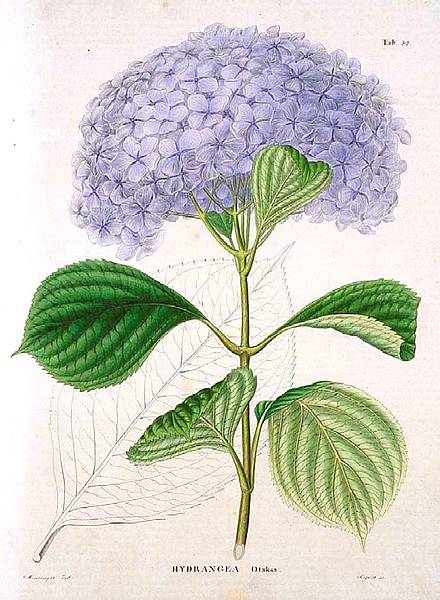
The Würzburg naturalist Philipp Franz von Siebold (1796-1866) brought numerous plants back to Europe for the first time from his travels in Japan, which was unknown at the time, and described them in his Flora Japonica.
You can recognise these "Siebold plants" by the red dot on the signs.
L/M -European Forest and Meadow Communities
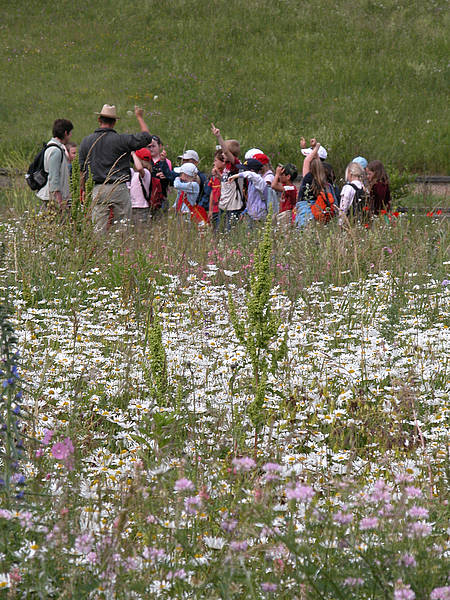
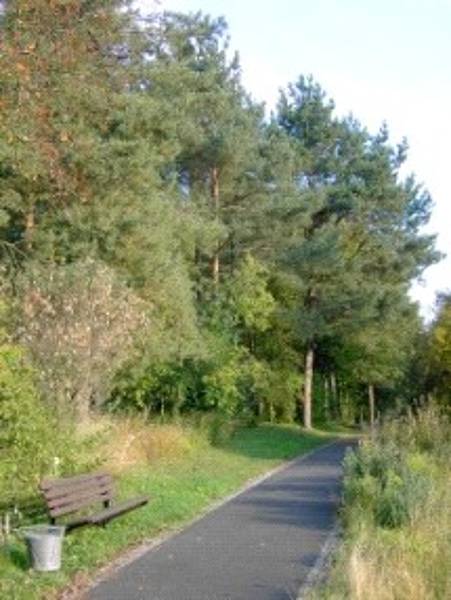
You can experience Europe's variety of forest and meadow communities on the paths through the upper part of the open land. The spectrum ranges from shady, dark ravine forest to sparse steppe heath forest and from fresh, rich meadows to lean dry grassland.
O - Crop Plants
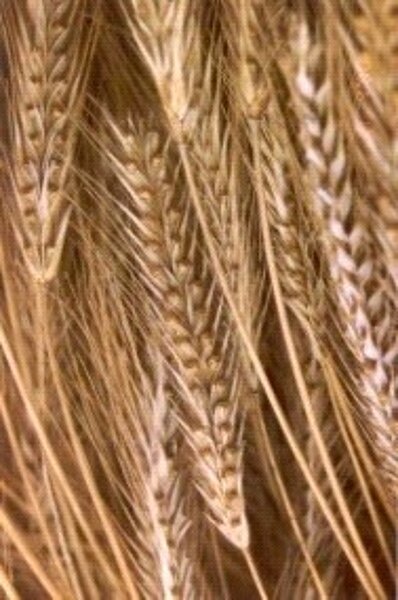
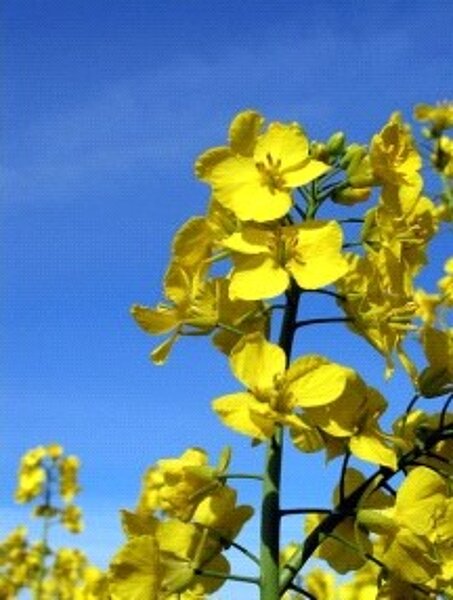
The crop plants section in the outdoor area contains native plants that are important either for human and animal nutrition or for technical use.
P - Mediterranean Garrigue
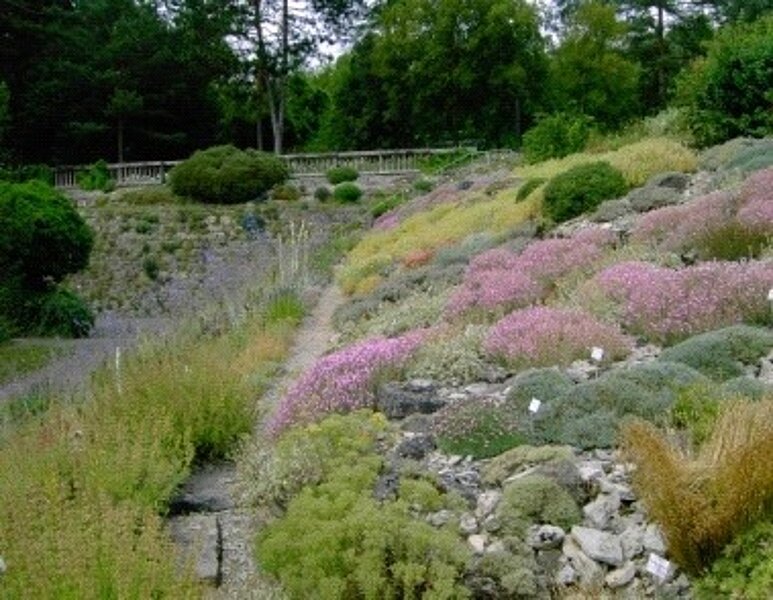
Due to Würzburg's mild wine-growing climate, colourful cushion plants from the Mediterranean vegetation zone can be displayed outdoors. Take a botanical journey through the Garrigue from the western Mediterranean (Portugal, Spain) to the Near East.
Q - Main-Franconian Dry Grassland
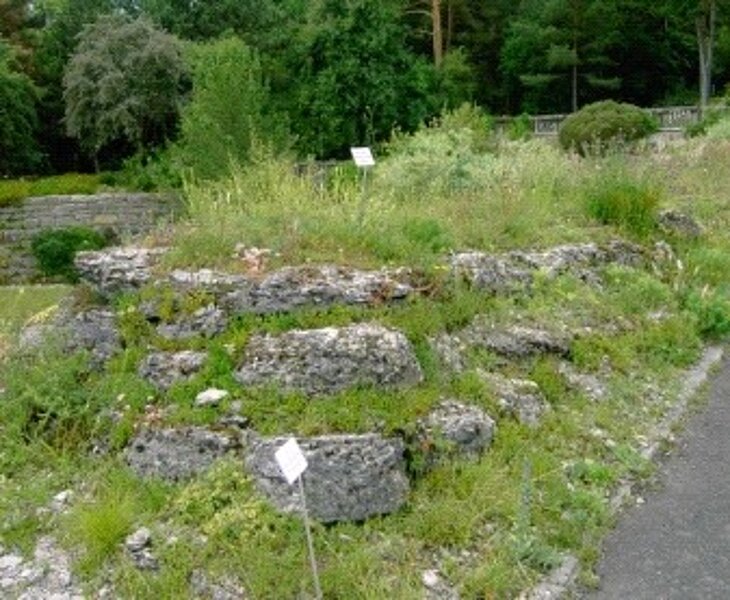
A hot, dry summer climate, extremely south-facing steep slopes and permeable shell limestone in the subsoil produce the globally unique plant community of the Main-Franconian dry grassland with many rare species, which can be admired in nature north of Würzburg along the Main.