IV. Herbaria for Floristic-Vegetation Studies in Lower Franconia
Until the 1990s, the Botanical Institute of the University of Würzburg carried out a large number of floristic vegetation studies in the Lower Franconia region as part of diploma theses and licences. Such studies primarily include classic mapping of the species inventory and characterisation of the resulting plant communities and, in some cases, their evaluation in terms of nature conservation. In addition, it is part of good scientific work that herbarium specimens, at least of critical plant groups, are collected from the relevant study area. This also allows the results to be verified in the long term.
Example 1
State examination thesis by H. Kress (1947)
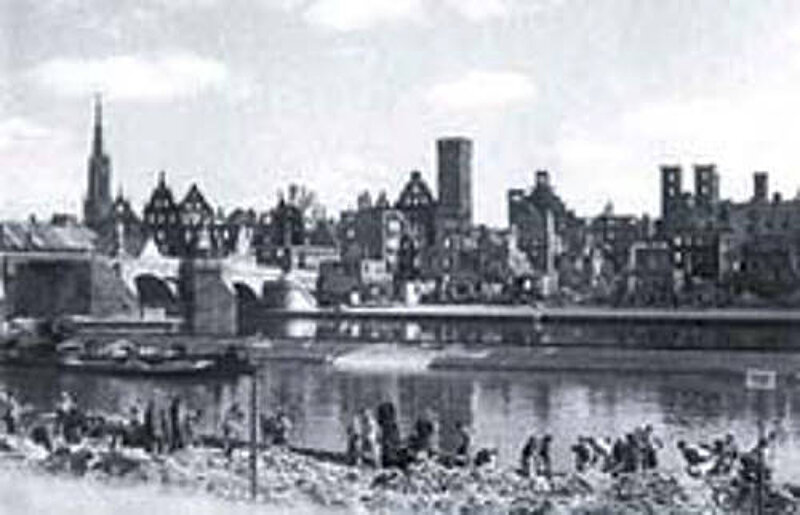
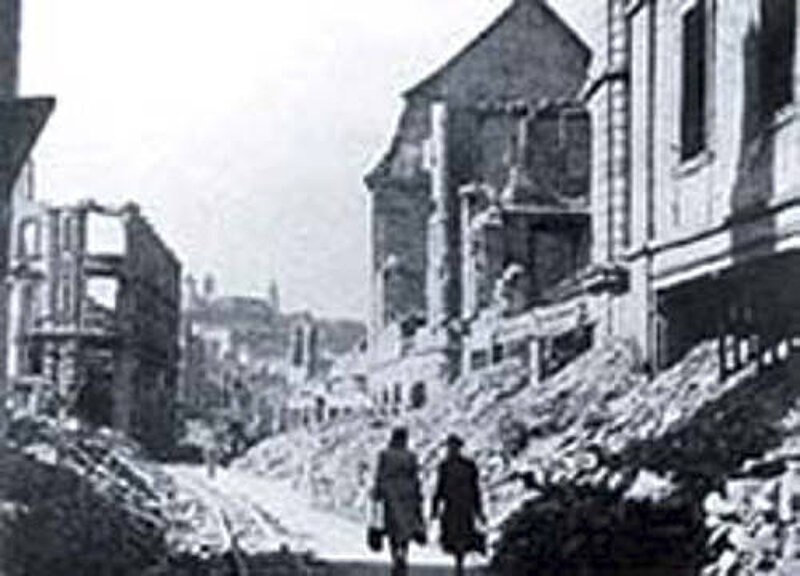
Topic: "On the ruderal and adventitious plants of the ruined city of Würzburg and its immediate surroundings"
Study areas: e.g. bomb craters at Steinberg, Schenkenschloss and Leistenstraße; camouflage embankment at Residenzplatz, rubble dump on Veitshöchheimer Straße and others. It became apparent that new plant communities with plant species new to Würzburg and the surrounding area had already formed in these inhospitable places within a very short time. Many of these species largely disappeared from the urban area in the course of reconstruction. These changes were documented in 1981 by G. Hetzel in a new authorisation paper on the ruderal vegetation of the city of Würzburg and discussed in a comparative analysis.
Example 2
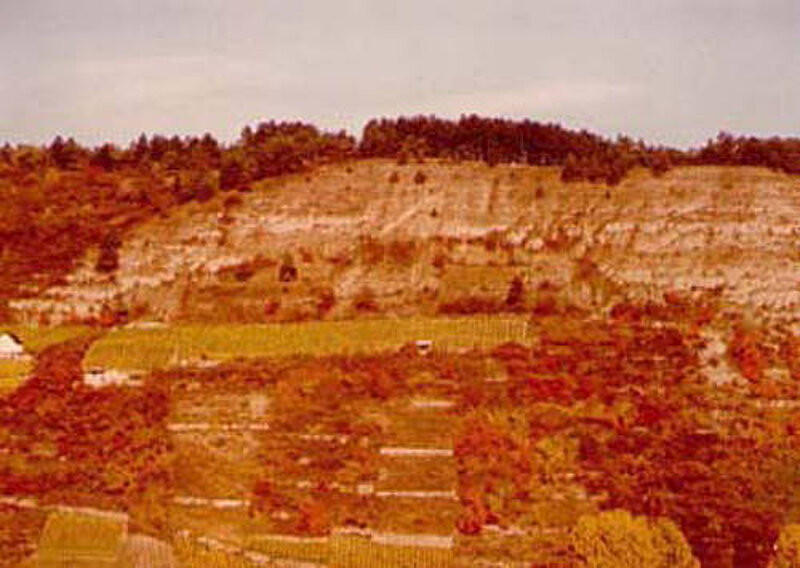
Investigations into the vegetation of old, abandoned vineyards
Due to their structural diversity, old vineyards are an ideal model system for studying vegetation development. These special climatic sites in Lower Franconia are the habitat of around 1000 different higher plant species. Vineyard sites that have been abandoned for different lengths of time have been analysed in several projects with regard to their plant communities. Based on these studies, the importance of these habitats for landscape ecology and nature conservation has been emphasised.
Example 3
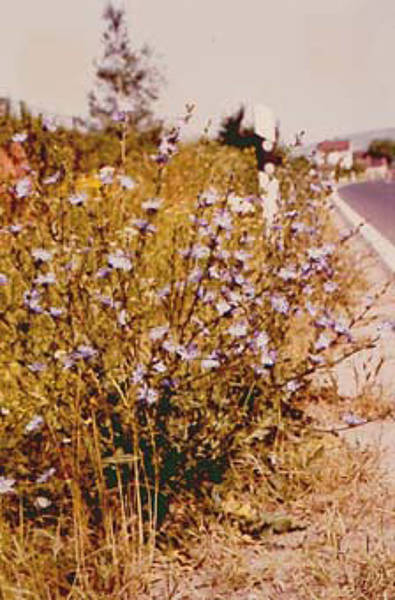
Studies on roadside vegetation in Lower Franconia
Several research projects have investigated the development of vegetation along roads. Plants that have been introduced into our flora often spread along our roads. The migration speed and strategies of these neophytes were therefore investigated. The herbarium preserves the plant specimens from these projects for future studies on the flora of Lower Franconia.
Example 4
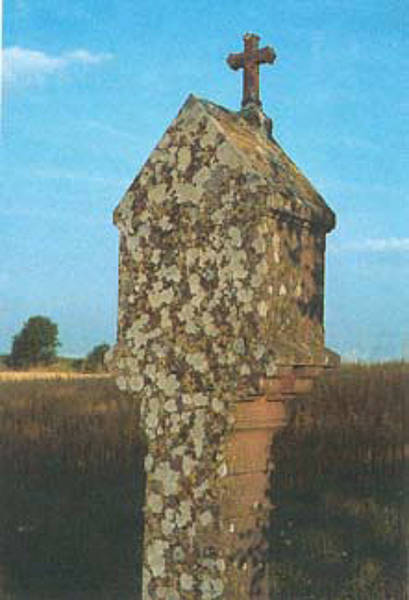
The moss and lichen flora of Lower Franconia
Lichens can survive in the most extreme locations. How they manage this has long been a focal topic at the Botanical Institute. The distribution of lichen species in Lower Franconia has therefore been well studied. Just like lichens, mosses are often overlooked. As part of research projects, inventories of this group of plants have also been carried out at selected sites.