Conservation of biodiversity
Some rare and protected native and exotic plants are also displayed and preserved in the various departments ('ex-situ' conservation measures). The Botanical Garden is not only a habitat for a wide variety of plants, but also for a large number of rare animals, such as birds, reptiles, amphibians and insects.
The conservation of rare plant species is a general goal of botanical gardens worldwide. Within the Association of Botanical Gardens there is the working group "ex-situ conservation culture" in which this important task is discussed and coordinated.
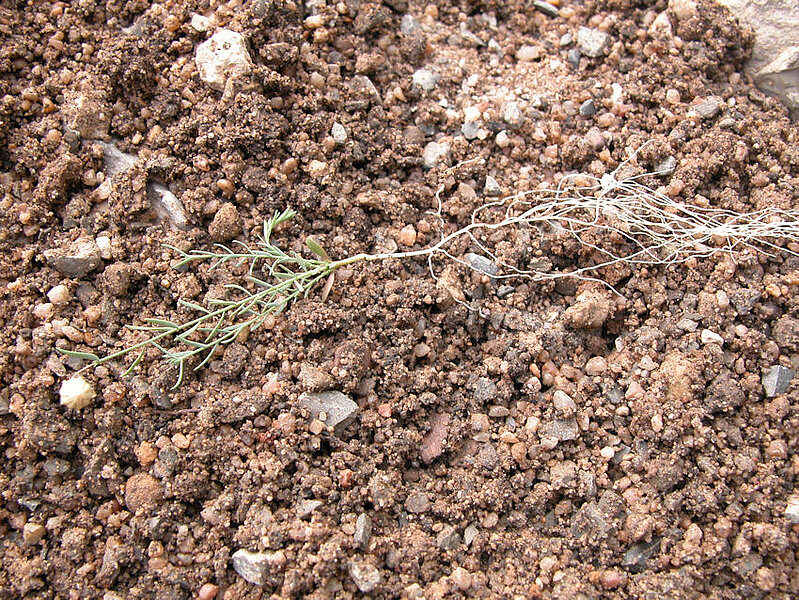
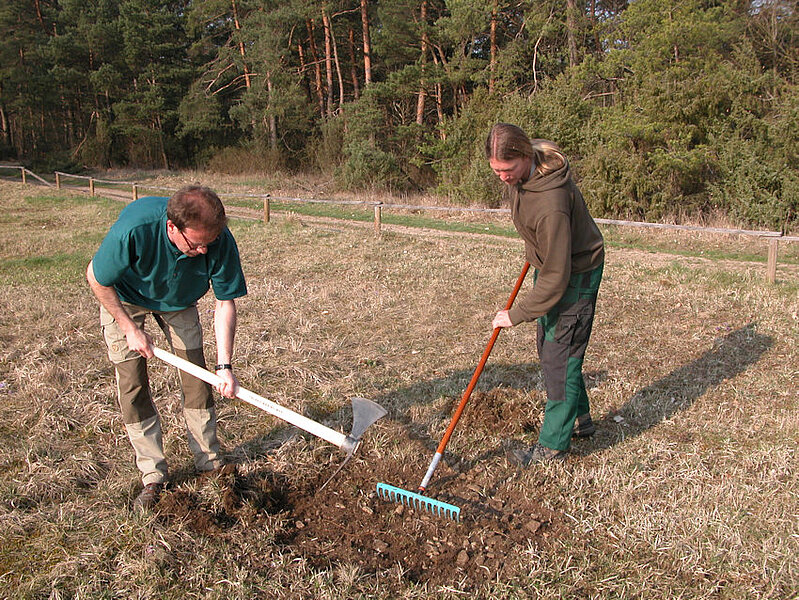
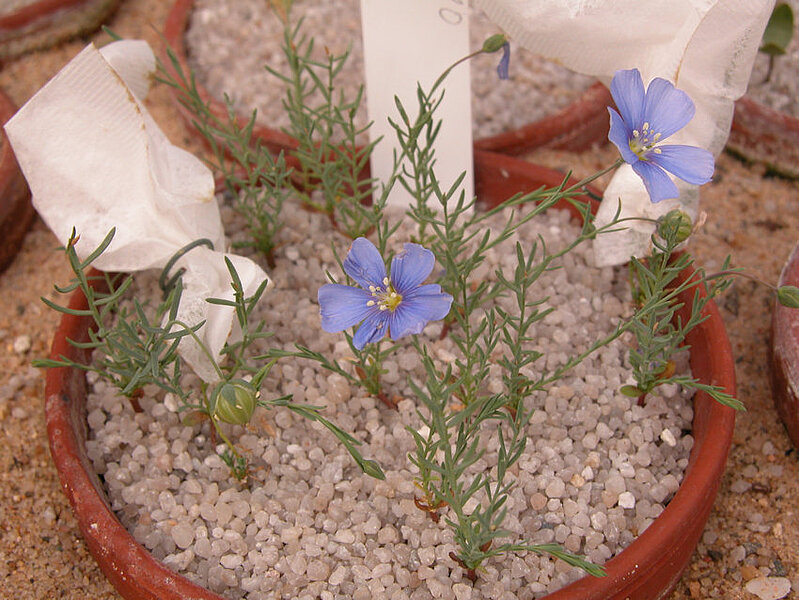
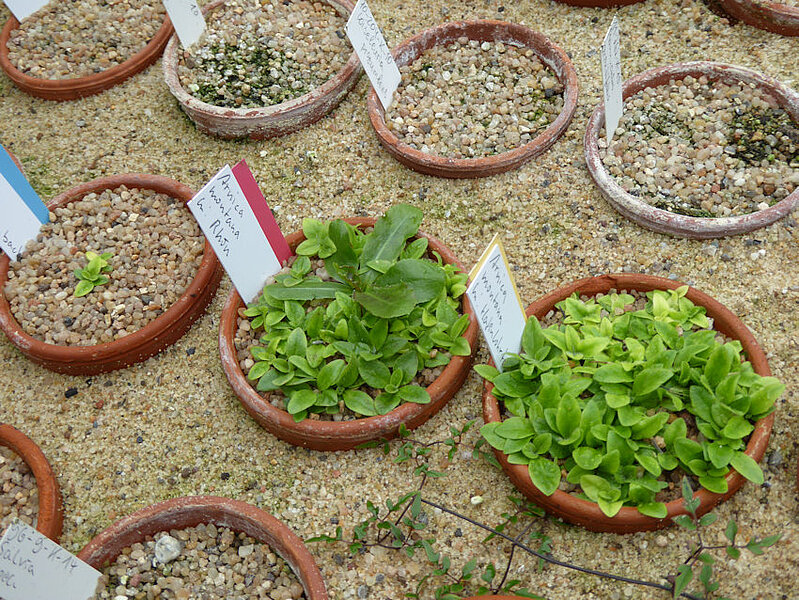
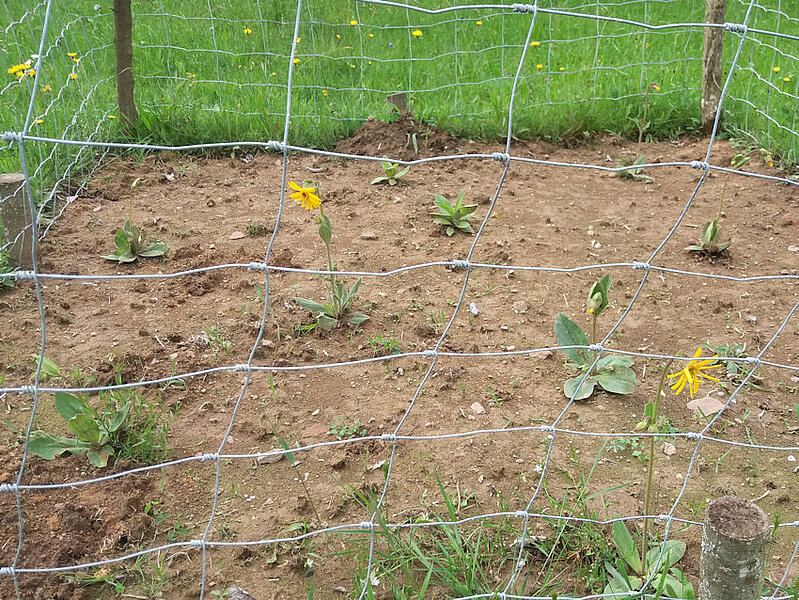
The Würzburg Botanical Garden is involved in several projects for the conservation of rare plant species. These projects are always carried out in cooperation with nature conservation institutions. Examples include the conservation of Linum leonii near Böttigheim or Arnica montana in the Spessart. Rare wild field herbs are currently being propagated in the Botanical Garden. The seeds obtained here are used to support the populations at the wild location.
General environmental education is also important in this context. During special guided tours, visitors are informed about the tasks and significance and sensitised to the problem.
The "Main-Franconian dry grassland" section is also cultivated in this context. The Main-Franconian dry grassland north of Würzburg, first described by Professor Otto Volk in 1938, is home to an extraordinary diversity of species with many endangered species on the red list. Interested visitors can learn about the rare plant species, the special features and the threats to this extreme habitat in the botanical garden.