Collections
The Botanical Garden currently cultivates around 9,000 plant species. These plant species are documented in a database. The collections are categorised according to the extent of the documentation:
Display collections and teaching collections mainly comprise cultivated plants. Collection and location data are usually not available. An example of a teaching collection in the Würzburg Botanical Garden are the carnivores (carnivorous plants). The aim is to be able to present all capture mechanisms and the most important genera for the education of students, but also for events with school classes and adult groups.
Scientific collections contain plants mainly from wild collections that are fully documented. Collection data and detailed information on the place of discovery are available. Nowadays, this documentation is essential for plants used in scientific research projects.
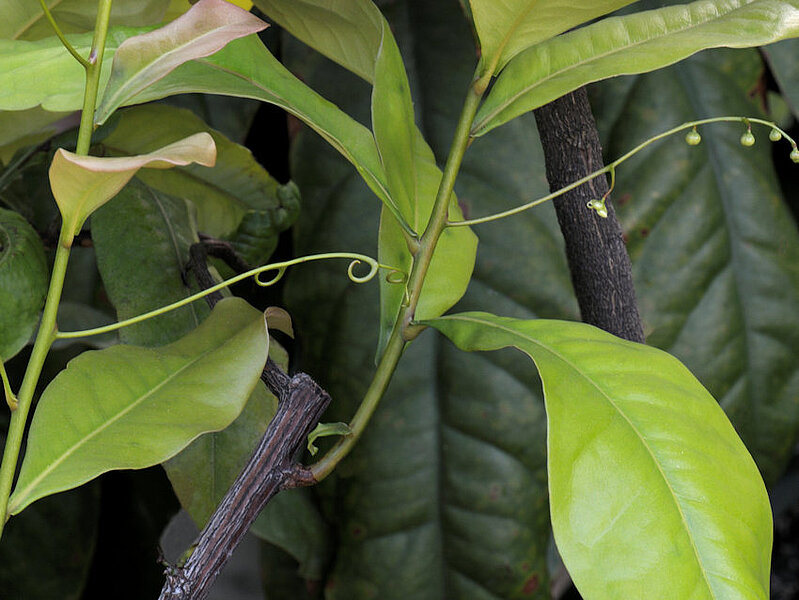
A collection of tropical lianas from the Ancistrocladaceae plant family is cultivated in the Botanical Garden, with a focus on West Africa. These plants are used by the Chair of Organic Chemistry (Prof Gerhard Bringmann) as objects of study for its research projects.
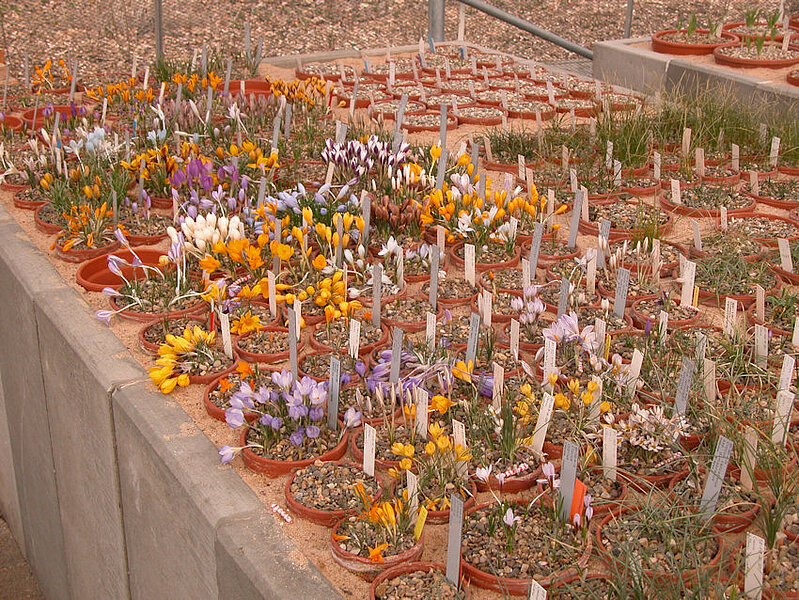
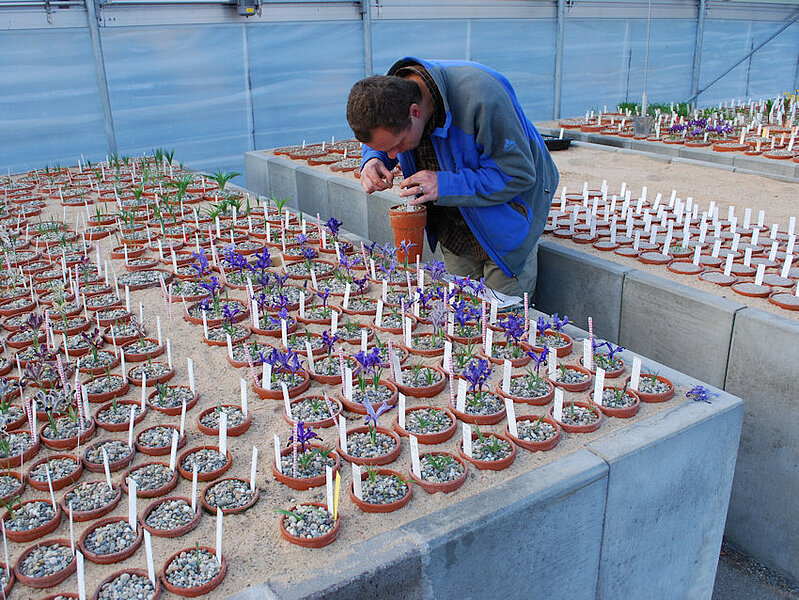
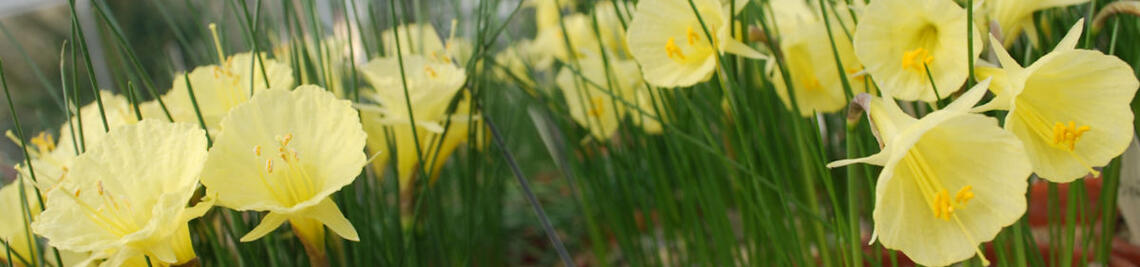
Our most extensive collection of plants with largely complete documentation consists of bulbous and tuberous plants (geophytes) from all over the world. The collection is not open to the public. Parts of this collection are presented in a showcase during the flowering season.
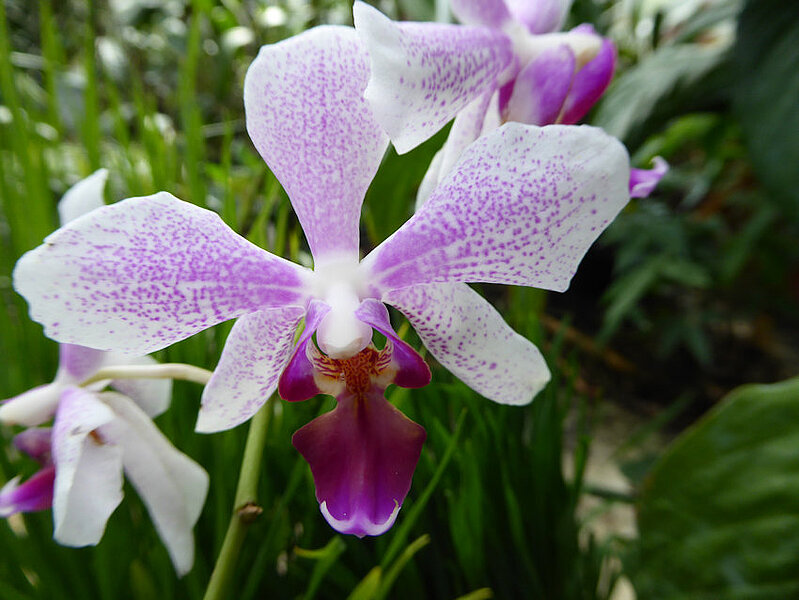
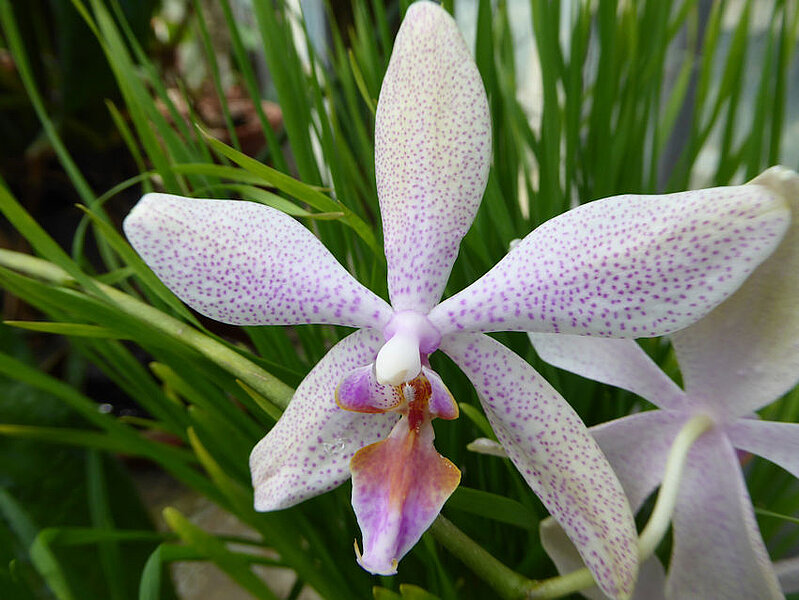
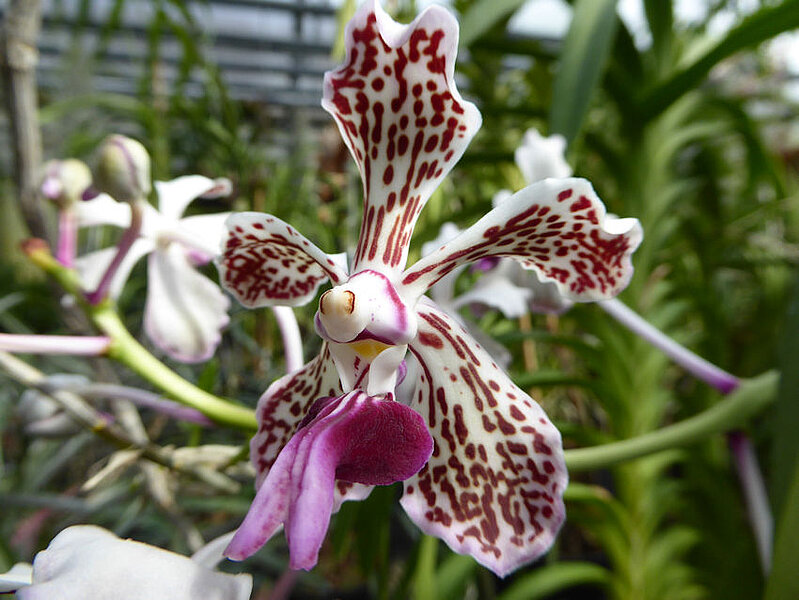
Historically valuable collection: Orchid hybrids from the genera Phalaenopsis and Vanda are cultivated in the tropical house. These cultivars originate from Professor Hans Burgeff. Hans Burgeff was director of the Würzburg Garden from 1925 to 1958 and is regarded as one of the pioneers of orchid mycorrhiza research. The results of his research made it possible to breed or hybridise orchids by propagating them from seed.