Anniversary Year 2027
Ideas that Change the World. Since 1402
In 2027, the University of Würzburg will celebrate the 625th anniversary of its foundation and a history full of innovation, change and passion for research. Join in and discover, experience and celebrate ‘Ideas That Change the World. Since 1402’ together with us.
Quick links
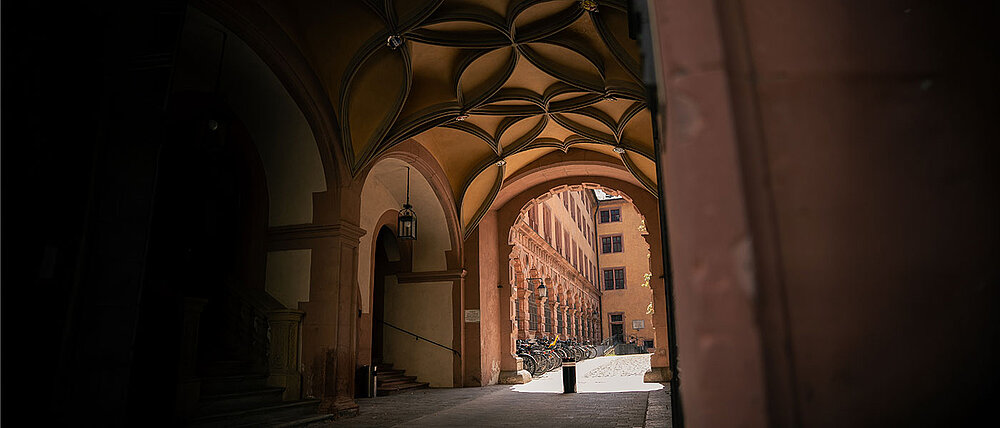
Anniversary-year ideas contest: My Lovely Campus
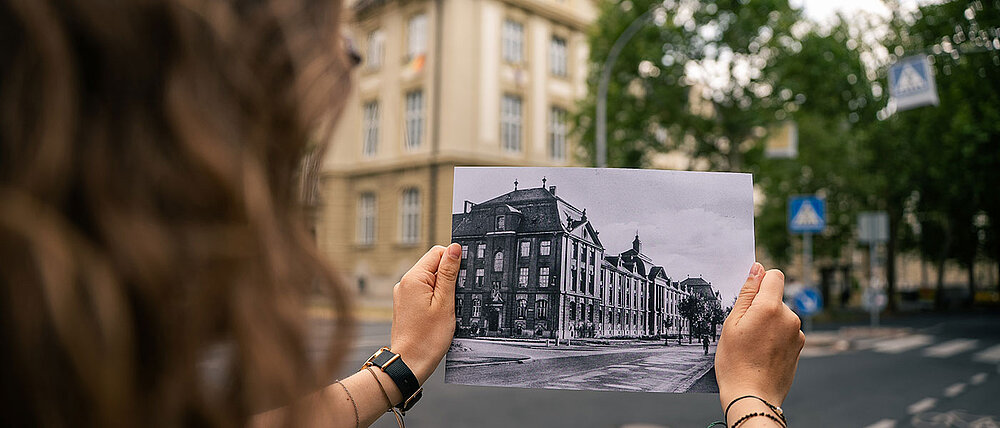
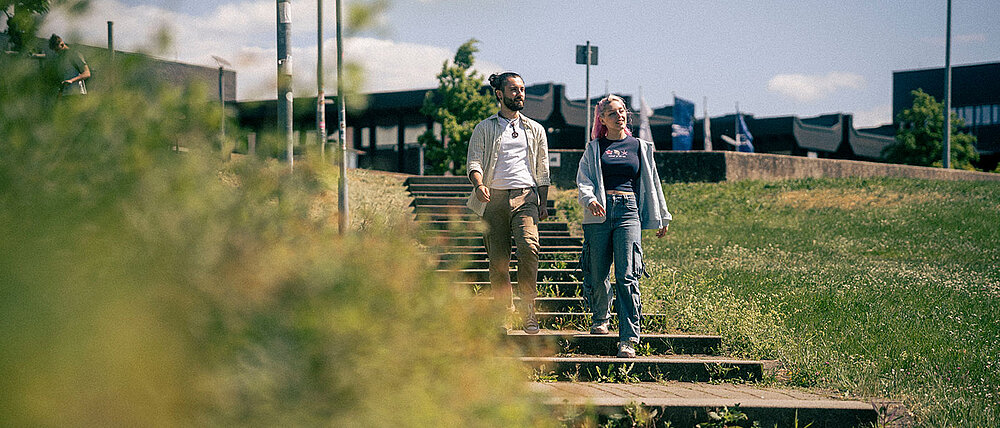
On the occasion of our anniversary year, we want to make our campus even more liveable and are looking for creative ideas and practical solutions from students and staff members. Submit your idea to wuelab@uni-wuerzburg.de by 31 December 2026 and get the chance to bring it to life in 2027 with €5,000 of prize money.
Read the article ‘Ideas competition for the anniversary year: ‘My beautiful campus’’ in our einBlick newsletter to find out more about the contest.
- A brief description of your idea
- A plan/sketch of your idea that also indicates the location where you would want it to be implemented
- A rough cost estimate
- Vice-President for Equal Opportunity, Career Planning and Sustainability: Prof. Dr Anja Schlömerkemper
- Press and Public Relations Office: Dr. Esther Knemeyer, Dominika Heublein-Behrens
- WueLab: Dr. Nicola Oswald, Viola Leisner
- Technical Maintenance Service Centre: Klaus Hahn
- Construction Project Control: Arne Pleyer
- Working Group for Ecology and Sustainability: Paula Sonntag, Jakob Klüpfel, Julian Müller
- Social interaction and campus life
Will the idea create new opportunities for social interaction, exchange and shared experiences on campus? Or will it develop existing campus projects further in a creative manner or make such projects more visible?
- Design and visibility
Is the idea visually appealing? Will it be clearly visible or easy to find while also fitting convincingly into the surroundings on campus?
- Benefit and reach
Will the idea bring an identifiable benefit for at least two of the following groups: students, staff, passers-by or animals and plants on campus (e.g. nest boxes)?
- Sustainability and feasibility
Has the idea been planned, and will it be implemented, with ecology in mind? Will it be implemented using eco-friendly materials? Will it be possible to implement the project within the given constraints? Does the idea have the potential to provide a lasting and reasonable benefit?
Additional criteria
- Biodiversity: Does the idea take the biodiversity on campus into account and/or will it help promote it?
- Relation to the anniversary we are celebrating: Did the person making the submission incorporate the anniversary theme into their idea in a creative way? Does the idea make the special occasion visible?
Anniversary-year events
Stay up to date: New events are being added to our programme on an ongoing basis.
- When: 14 February 2027
- For: private event
Founded in 1402 by Johann von Egloffstein after he had secured the papal privileges from Pope Boniface IX, the University of Würzburg is the second-oldest university in Germany. The commemoration of the foundation of our university will be at the heart of our celebrations on 14 February 2027.
Under the motto of ‘Ideas That Change the World. Since 1402’, we will honour the long tradition of Germany’s second-oldest university, its research accomplishments and its future in an official ceremony.
The event will begin with a few opening words from JMU President Prof. Paul Pauli, which will be followed by a welcome address by Bavarian Minister-President Dr. Markus Söder and a commemorative speech by Federal Minister Dorothee Bär. On the same day, the new University Heritage Museum will be opened in the historical vaulted cellar of the Alte Universität building.
- When: 2-4 July 2027
- Where: in the courtyard of the Alte Universität building and on Hubland Campus
- For: members of the university, students and the interested public
Friday, 2 July: The weekend will kick off with the 15th anniversary celebration of the Alumni & Friends e.V. alumni association, which will feature an inspirational talk and a get-together. On this day, we will also honour alumni who graduated 15, 25 or 50 years ago. A wonderful opportunity to get in the mood for the weekend.
Saturday, 3 July: On Saturday, we will spend an atmospheric summer evening at the Alte Universität building with guided tours of the tower, a museum quiz, a sing-along, DJs, sausages from the University Forest and other surprises.
Sunday, 4 July: The big campus festival will be coming to Hubland on Sunday. Our faculties and other departments will offer a varied programme of activities to explore, join in and connect with others.
A journey through 625 years of JMU history
-
1402: Prince-Bishop Johann von Egloffstein founds the University of Würzburg; Pope Boniface IX grants the papal privilege.
-
1415: Insufficient financial resources lead to the decline of the university.
-
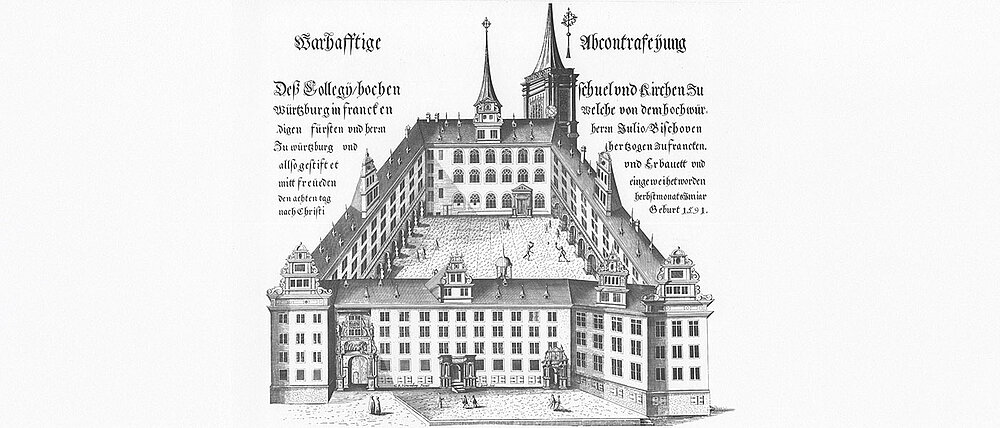
1582: Prince-Bishop Julius Echter restores the university; the cornerstone for the ‘Alte Universität’ building is laid.
-
1591: The ‘Alte Universität’ building is completed and houses the faculties of theology, law and humanities; the university church is opened. The faculty of medicine moves into the Juliusspital hospital.
-
1619: Prince-Bishop Johann Gottfried von Aschhausen lays the foundations for a general university library.
-
1802: The university comes under Bavarian rule and undergoes secularisation and reform.
-
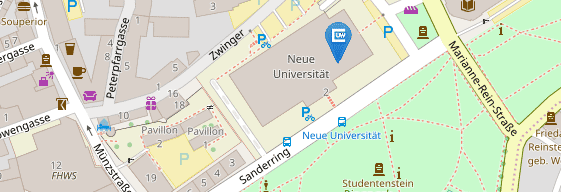
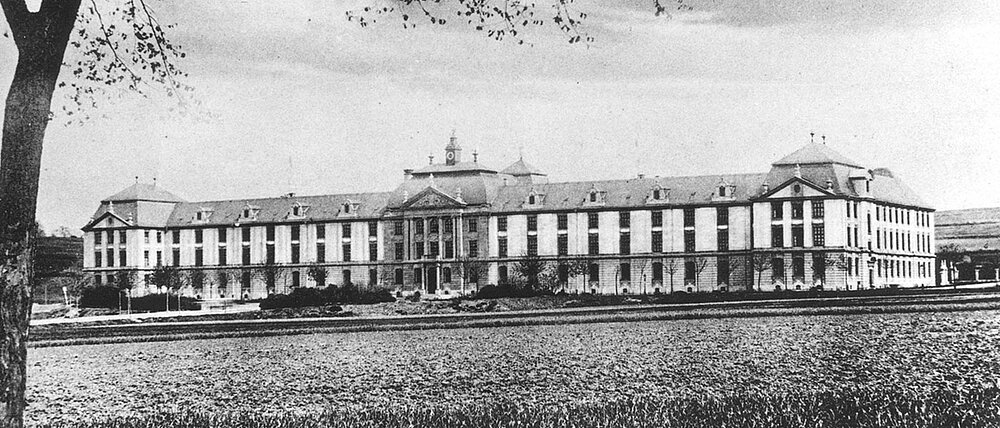
1896: The university’s main building, the ‘Neue Universität’ on Sanderring, is opened.
-
1945: Large parts of the university are destroyed in World War II.
-
From 1945: The university is rebuilt in just a few months.
-
1960s: The new Hubland Campus is built in the outskirts of the city.
-
2002: The University of Würzburg celebrates the 600th anniversary of its foundation.
-
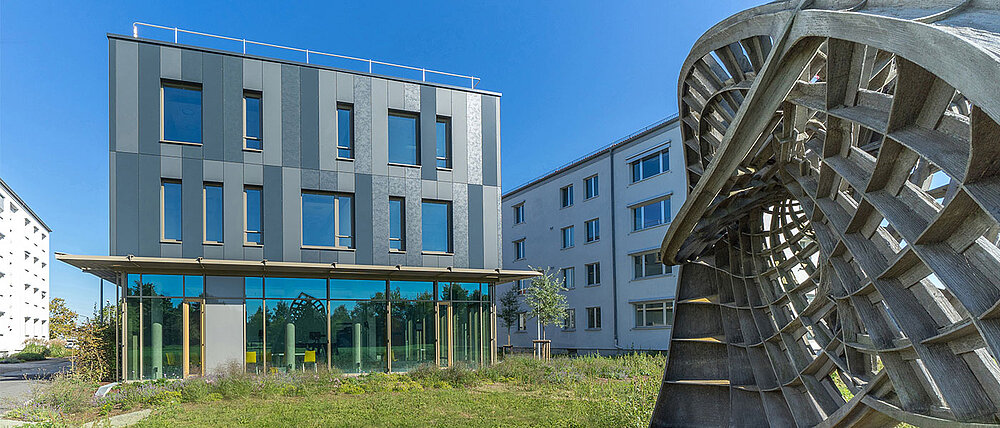
2011: Campus Hubland Nord with its modern lecture hall buildings is opened.
The world comes to Würzburg to study

The University of Würzburg is a place where people from all around the world come together: Students from more than 120 countries learn, research and live here. The diversity of cultures, languages and perspectives on our campus creates an outward-looking atmosphere in which people make new friends, build international networks and gain interesting insights into the everyday lives of others each and every day.
JMU’s historical treasures

Our university library is so much more than just the place where you go to study. It houses precious historical collections and some of the most important written records from past centuries, including numerous Bibles and incunabula, i.e. books printed in the earliest stages of printing before 1501.
A professor, a building

There aren’t many people who can say that a research building was built specifically for them. Renowned mathematician and Humboldt Professor Stefanie Petermichl can: The building on Campus Hubland Nord known as the ‘Humboldt-Bau’ was built for her. It was opened in 2023 and serves as a place for mathematicians from around the world to come together and to conduct research.
From the laboratory to the Nobel Prize

It was a moment that changed history: On 8 November 1895, Wilhelm Conrad Röntgen, director of the Institute of Physics at the University of Würzburg, discovered a new type of radiation. These rays, which later became known as X-rays, have revolutionised medicine and countless other fields of research. In 1901, Röntgen was awarded the world’s first Nobel Prize in Physics for his discovery.